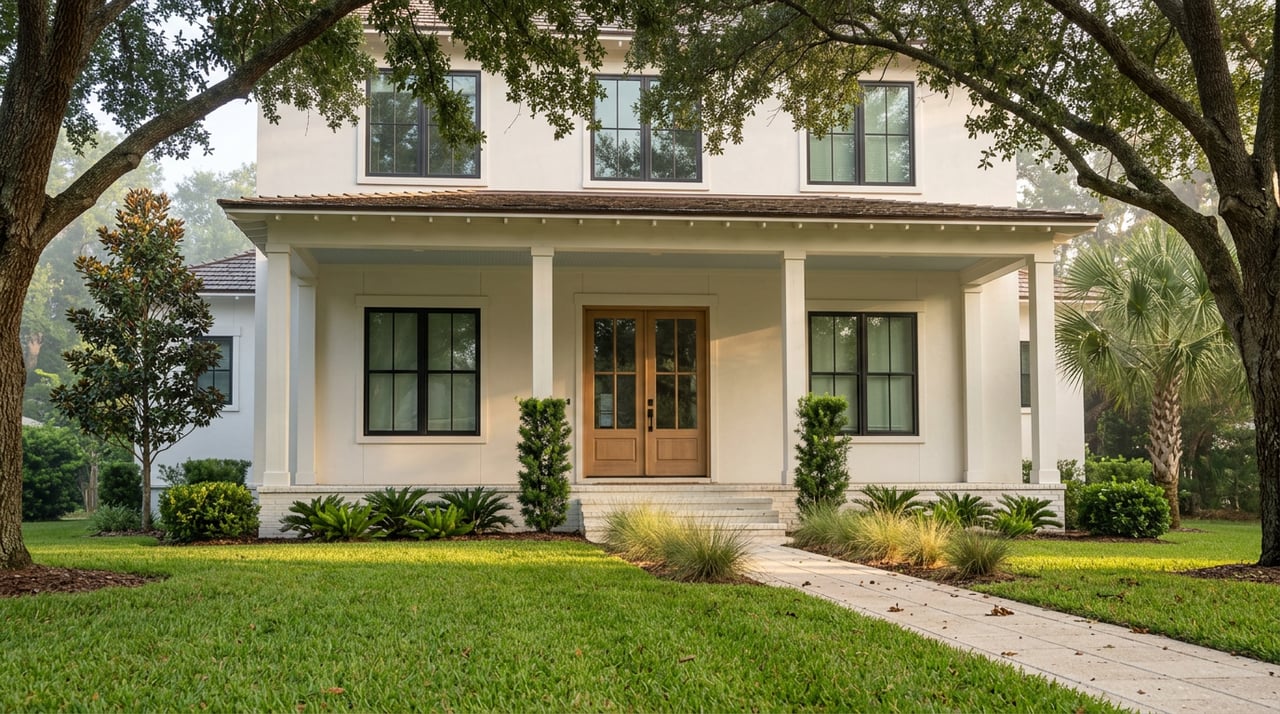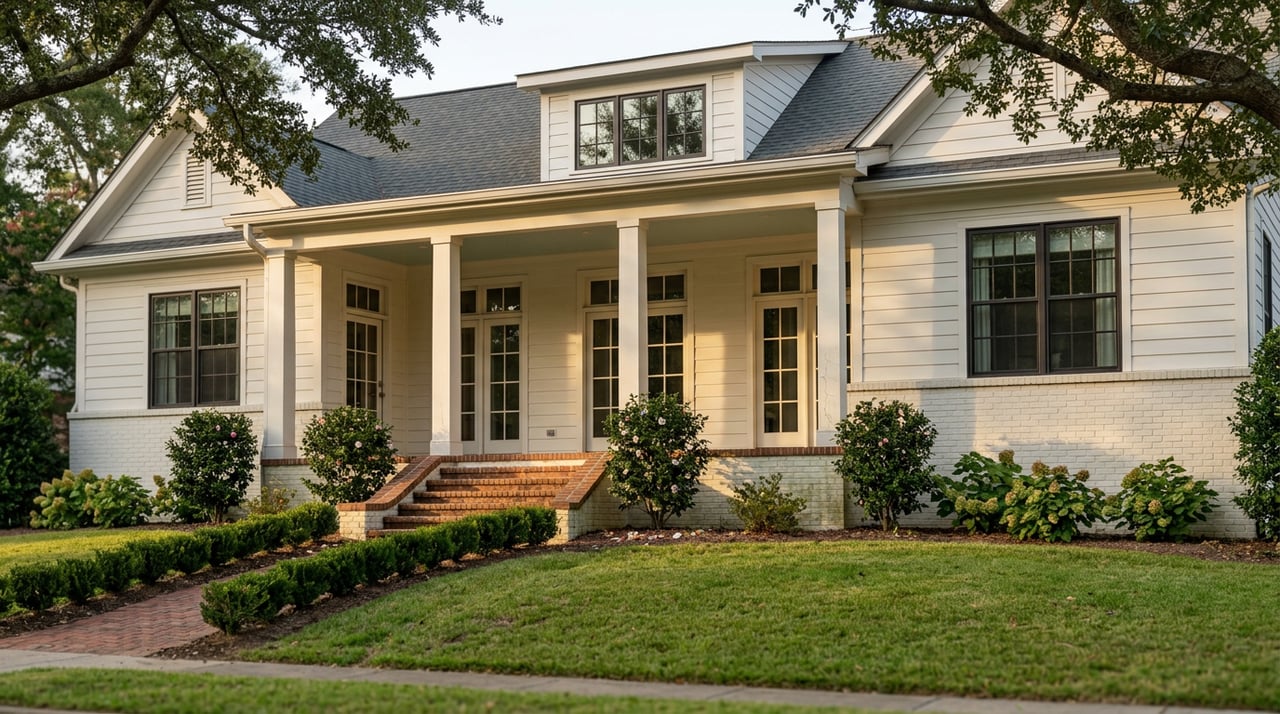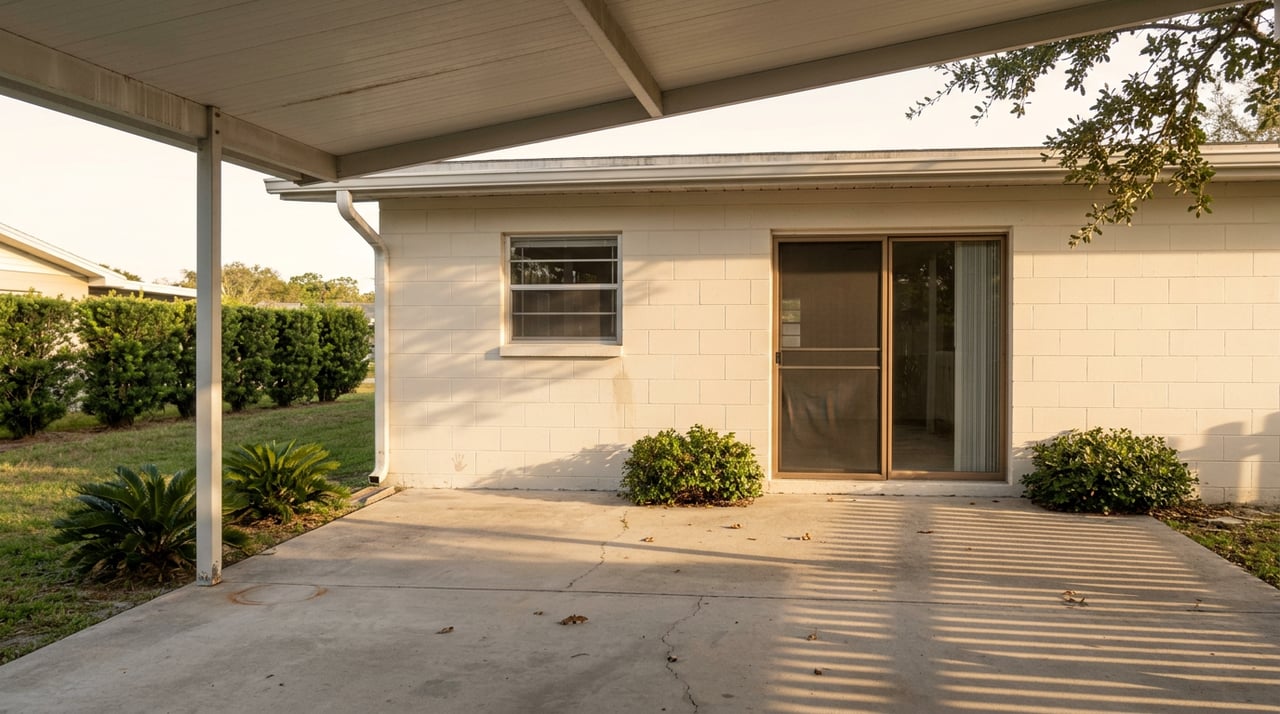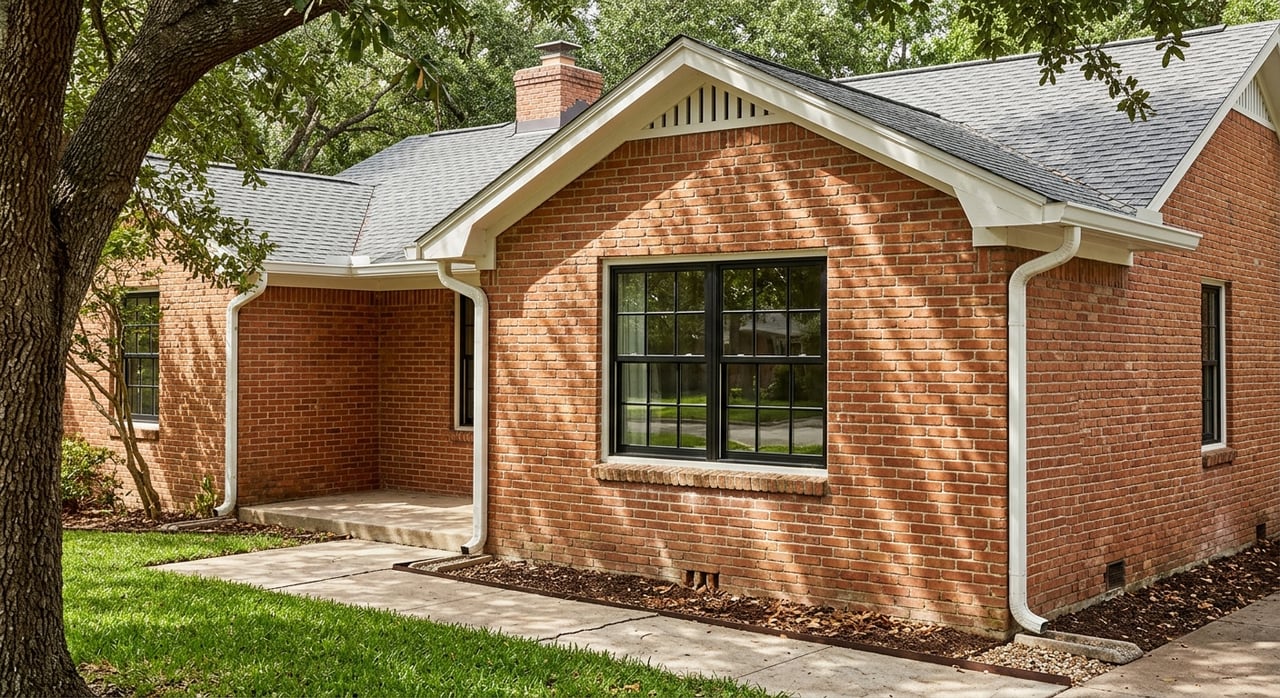
Older homes north of UF can be full of charm, but charm is not the same as confidence. If you are looking at a bungalow, ranch, or mid-century house in Gainesville, you need to know whether you are buying solid bones or inheriting expensive surprises. This guide will help you evaluate what matters most in 32612, from moisture and termites to permits and historic review, so you can move forward with more clarity. Let’s dive in.
What older homes north of UF are like
North of UF, you will often find a mix of prewar in-town homes, postwar infill, and later mid-century homes. Gainesville’s growth from 1940 to 1970 added roughly 50,000 residents, and much of that expansion shaped the neighborhoods around the university and into the northwest quadrant.
In practical terms, that means you may see a wide range of home types in a relatively small area. University Park, Florida Park, and College Park grew during the housing shortage tied to UF expansion after World War II, while nearby areas also include older Florida residential styles from the 1920s through the early 1950s.
Why era and style matter
Older homes in this part of Gainesville are not all built the same way. Local preservation records show styles such as frame vernacular, bungalow, minimal traditional, ranch, and mid-century modern, along with earlier styles found in Gainesville’s older districts.
That matters because age affects how a home performs and what may have been updated over time. A house can look beautifully preserved from the street while still hiding older ducts, moisture issues, or layers of remodeling that were more cosmetic than structural.
Check historic status first
Some homes north of UF may fall within local historic districts or have local historic designation. Gainesville has five local historic districts protecting more than 1,500 historic structures, plus ten buildings listed individually on the Local Register of Historic Places.
If a property is in a local historic district or on the Local Register, exterior changes may require design review. The city states that a Certificate of Appropriateness process begins with a pre-application conference with the Historic Preservation Planner, so this is worth confirming early if you are thinking about future renovations.
Focus on moisture and cooling
In Gainesville, comfort and moisture control are major parts of evaluating an older home. UF/IFAS says HVAC can account for more than 40% of a Florida home’s energy use, and older homes may have air conditioners with SEER values below 10.
Humidity matters just as much as temperature. UF/IFAS notes that indoor relative humidity above 70% can eventually lead to mold, and older duct systems may have leaks or limited return-air pathways that reduce comfort and efficiency.
When you tour a house, pay attention to how it feels, not just whether the AC turns on. Uneven temperatures, musty closets, condensation, or rooms that never seem to cool down can be meaningful warning signs in an older Gainesville home.
What to look for during a showing
- Musty odors in closets, bedrooms, or enclosed porches
- Condensation on vents or windows
- Hot and cold spots between rooms
- AC that runs but struggles to keep up on a humid day
- Signs of dampness around crawlspaces or slab edges
Treat termite due diligence as essential
Florida buyers should take termites seriously, especially in older homes with wood framing or long renovation histories. UF/IFAS identifies subterranean, dampwood, and drywood termites as the principal termite types in Florida, with subterranean termites described as the most destructive.
Visible mud tubes, shed wings, or damaged wood are signs that deserve further inspection. UF/IFAS also notes that a licensed wood-destroying-organism inspection is a standard part of buyer due diligence and may be required by lenders.
For an older home north of UF, a WDO inspection is best treated as essential rather than optional. Even when a home looks well kept, termite activity can be hidden until damage becomes severe.
Understand lead paint and asbestos risk
If the home was built before 1978, lead-based paint is a real consideration. EPA says homes built before that year are more likely to contain lead-based paint, and sellers of pre-1978 housing must disclose known lead-based paint hazards and provide available records or reports.
This matters even more if you plan to renovate after closing. EPA also notes that a lead-based-paint inspection can be especially useful before purchase or renovation.
Asbestos is another issue that cannot be confirmed by sight alone. EPA warns that if a suspect material may be disturbed during remodeling, it should be sampled by a trained and accredited professional.
Areas that may deserve extra caution
- Older popcorn ceilings
- Pipe wrap or insulation materials
- Older flooring layers
- Kitchen and bath materials from past remodels
- Exterior materials that may be disturbed during updates
Evaluate the lot, not just the house
One of the biggest mistakes buyers make is focusing only on interiors. Gainesville says about 23% of city land lies within FEMA-designated flood zones, and the city also notes that flooding can occur outside mapped floodplains during intense rain.
The local FloodWise assessment explains that stormwater behavior is influenced by karst features such as sinkholes, paleosinks, and stream-to-sink watersheds. That means drainage patterns and ground conditions are part of the home evaluation, not background details.
Walk the yard and watch for signs that water is not moving away from the house. Standing water, downspouts discharging too close to the foundation, damp crawlspaces, settlement, and repeated staining can all point to drainage problems that affect maintenance, comfort, and insurance.
Verify permits and paperwork
With older Gainesville homes, paperwork matters almost as much as the physical condition of the house. The City of Gainesville says PermitGNV can be used to search permits by address or parcel, with records currently going back to the 1980s.
That timeline is helpful, but it also has limits. If older work does not appear in the portal, you should not assume the work was permitted simply because the record is quiet.
Ask clear questions about what is original, what was replaced, and whether the work was permitted. This is especially important for electrical, plumbing, structural changes, additions, and major exterior work.
Documents to request before you write an offer
- PermitGNV report or city property search results
- Flood-zone lookup for the parcel
- Lead disclosure paperwork for pre-1978 homes
- WDO inspection or bond history
- Certificate of Appropriateness or historic approvals, if applicable
Prioritize updates that improve performance
In this market, the most valuable updates are often the least flashy. Roof and water management, HVAC performance, duct sealing, humidity control, insulation, and clearly permitted electrical, plumbing, or structural improvements usually matter more than decorative finishes alone.
That does not mean character is unimportant. In fact, local survey work highlights the value of original material integrity and neighborhood character, but that appeal tends to hold up best when the home’s systems have been updated responsibly.
If you are comparing two homes, the one with a documented permit trail, stronger comfort systems, and no obvious moisture or termite red flags may offer more confidence than one with a pretty kitchen and unresolved building issues.
A smart checklist for remote buyers
If you are relocating to Gainesville and cannot attend every showing in person, older homes require even more intentional vetting. This is where a detailed, systems-focused approach can save you time and stress.
Ask for a live or recorded walk-through that goes beyond the main rooms. You want to see the roofline, attic access area, electrical panel, water heater, crawlspace or slab perimeter, and the way the yard drains around the house.
Questions remote buyers should ask
- Which parts of the house are original?
- What has been replaced or renovated?
- Was the work permitted?
- Is the property in a local historic district?
- Are there prior WDO reports or termite bond records?
- Is there any known lead disclosure paperwork for a pre-1978 home?
For relocation buyers, this kind of prep helps turn a charming listing into a more informed decision. It is also one reason working with a local advisor who can help coordinate virtual tours and surrogate property visits can make a meaningful difference.
A simple way to judge an older home
When you evaluate an older home north of UF, think in terms of systems plus character. The character may be what draws you in, but the real value often comes down to whether the home is dry, mechanically comfortable, termite-resistant, and backed by clear documentation.
That approach helps you stay grounded in what will affect daily life after closing. In a market with historic districts, layered renovations, Florida humidity, and varied housing eras, that kind of clarity can protect both your budget and your peace of mind.
If you are weighing older homes in Gainesville and want a second set of eyes on condition, documentation, or remote-buying logistics, Anna Olcese can help you navigate the process with clear guidance and concierge-level support.
FAQs
What should I check first when buying an older home north of UF?
- Start with moisture, HVAC performance, termite risk, drainage, permit history, and whether the property is in a local historic district.
Do older Gainesville homes north of UF often have historic restrictions?
- Some do. Gainesville has five local historic districts and individually listed local historic properties, so you should confirm whether design review or a Certificate of Appropriateness may apply.
Why is HVAC such a big issue in older Gainesville homes?
- UF/IFAS says HVAC can account for more than 40% of a Florida home’s energy use, and older systems or leaky ducts can affect comfort, efficiency, and indoor humidity.
Should I get a termite inspection for an older home in 32612?
- Yes. UF/IFAS says a licensed wood-destroying-organism inspection is a standard part of buyer due diligence and can be required by lenders.
What paperwork should I request before making an offer on an older home near UF?
- Ask for permit history, flood-zone information, lead disclosure paperwork for pre-1978 homes, WDO records, and any historic review approvals if the property is in a regulated district.