Thinking about selling your Millhopper home but worried you’ll pour money into projects buyers won’t value? You’re not alone. In today’s moderated market, presentation matters, yet over-renovating can push you beyond neighborhood comps and cut into your net. This guide shows you how to target the updates that impress Millhopper buyers, protect your sale, and avoid waste. You’ll leave with a focused plan built for NW Gainesville’s park-adjacent lifestyle and Alachua County’s rules. Let’s dive in.
Know your Millhopper buyer and market
What Millhopper buyers value
Millhopper sits along Millhopper Road and NW 53rd Ave, close to Devil’s Millhopper Geological State Park and San Felasco Hammock Preserve. Many buyers here prioritize outdoor access, shade trees, screened porches, and nature-friendly, low-maintenance yards. When you highlight those strengths, you speak directly to why they are shopping your neighborhood. Explore nearby amenities like Devil’s Millhopper Geological State Park and San Felasco Hammock Preserve in your listing copy and photos.
Use hyperlocal comps, not citywide averages
Early 2026 market snapshots show Gainesville and Alachua County have moderated from the boom years, with more inventory and longer days on market in many pockets. That makes pricing and presentation more important. Rely on a comparative market analysis for your subdivision or within a half mile, not citywide headlines. Local market watchers also note inventory has been rising, so your home must show well to stand out. See context from a recent Gainesville market update.
Fix first what can derail a sale
Roof readiness
A failing or end-of-life roof can stall financing and insurance in Florida. If your roof is leaking or near the end of its lifespan, repair or replace before listing or price accordingly. National data shows roof replacements often recoup a significant, though not full, portion of cost. The 2025 Cost vs. Value report places roof replacement around a 68 percent recoup nationally. A pre-list roof inspection and documentation can boost buyer and insurer confidence. Review national patterns at Cost vs. Value.
HVAC reliability
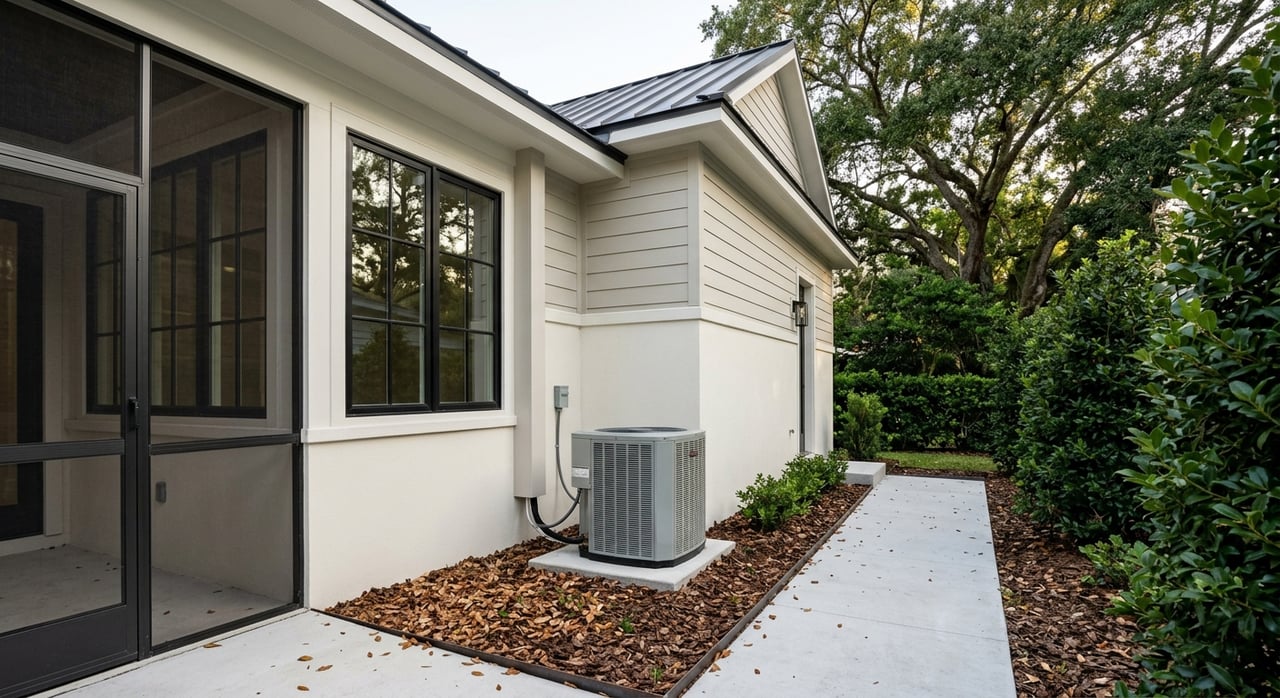
A correctly sized, well-serviced A/C is essential in North Central Florida. While a full system replacement may not return dollar-for-dollar, addressing reliability up front usually beats losing buyers or giving big credits after inspection. Keep recent service records handy, and consider a tune-up before photos and showings. National ROI context is available at Cost vs. Value.
Safety and code hazards
Electrical panel issues, active water intrusion, structural concerns, and termite damage are deal-breakers. A limited pre-listing inspection can help you find and fix red flags early, then document the repair. For a quick primer on what spooks buyers and lenders, scan these common home inspection red flags.
Focus on high-impact, lower-cost updates
Curb appeal and entry
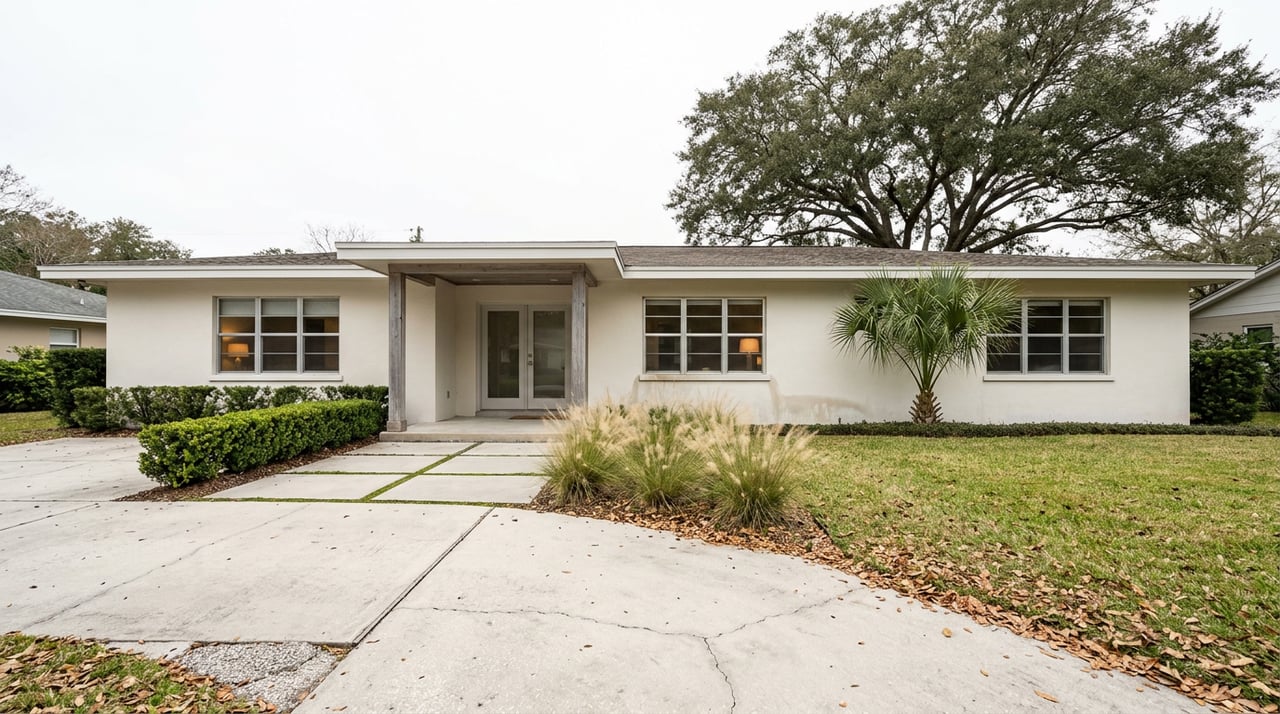
First impressions count. The 2025 Cost vs. Value rankings place garage-door and steel entry-door replacements among the strongest ROI projects. In Millhopper, a power-washed driveway, trimmed and edged beds, fresh mulch, and a crisply painted front door add instant appeal. Clean gutters and tidy pathways help photos pop. See national ROI patterns at Cost vs. Value.
Minor kitchen refresh
Most buyers prefer a clean, functional kitchen over an expensive custom overhaul. The 2025 report shows a “minor kitchen remodel” often recoups far more than a major, upscale gut. In practice, that can mean painted or refaced cabinets, updated hardware, a modest countertop upgrade, and bright, neutral finishes. Keep the look simple so buyers can picture their style.
Neutral paint, lighting, and flooring touch-ups
Fresh, neutral interior paint is one of the best returns for the money. Replace dated lights and repair or replace worn carpet or damaged planks in high-traffic areas. NAR research shows staging and thoughtful presentation help buyers visualize living in a home and can shorten time on market. Learn more about the impact of staging from NAR’s coverage.
Gather and share documentation
Buyers reward confidence. Assemble receipts and service records for your roof, A/C, water heater, pest treatments, termite repairs, and any permitted work. If systems are older but well maintained, documentation and a targeted pre-list inspection can be more cost-effective than full replacement. Many Florida agents endorse this approach to reduce renegotiation, as noted by local Realtor resources.
Projects to skip or scale back
Not every project pays back at resale. Use your neighborhood’s price ceiling and comps before you invest.
- Major primary-suite additions or large square-footage increases often recoup only a small share of cost. Nationally, primary-suite additions hovered in the low-30 percent recoup range in 2025.
- Upscale, full kitchen guts tend to return less than a focused midrange refresh. Many buyers prefer move-in-ready and neutral over luxury customization.
- Detached ADUs, high-end bathroom additions, and extensive custom hardscaping can be hard to justify if you plan to sell within a year.
- Solar can lower operating costs for some owners, but national resale recoup varies and often does not cover full install costs without strong local incentives.
For ROI reference across projects, see Cost vs. Value.
Stage the Millhopper lifestyle
Millhopper buyers often seek shade, trails, and easy outdoor living. Stage to that lifestyle and let your photos tell the story.
Florida-friendly curb appeal
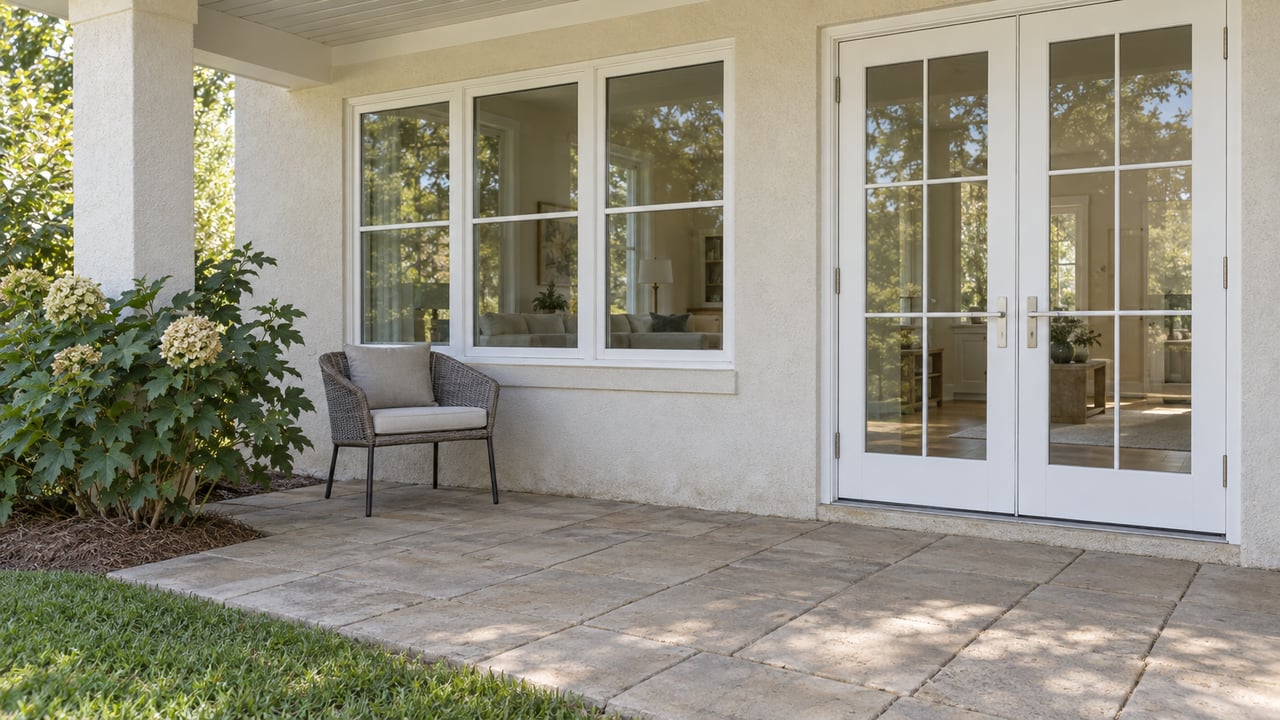
- Mow, edge, and prune to frame the house. Do not remove mature oaks unless required. Add fresh mulch and one to two seasonal planters at the entry.
- Choose native or low-maintenance plants and efficient irrigation practices guided by UF/IFAS Florida-Friendly Landscaping.
Outdoor rooms that feel like extra space
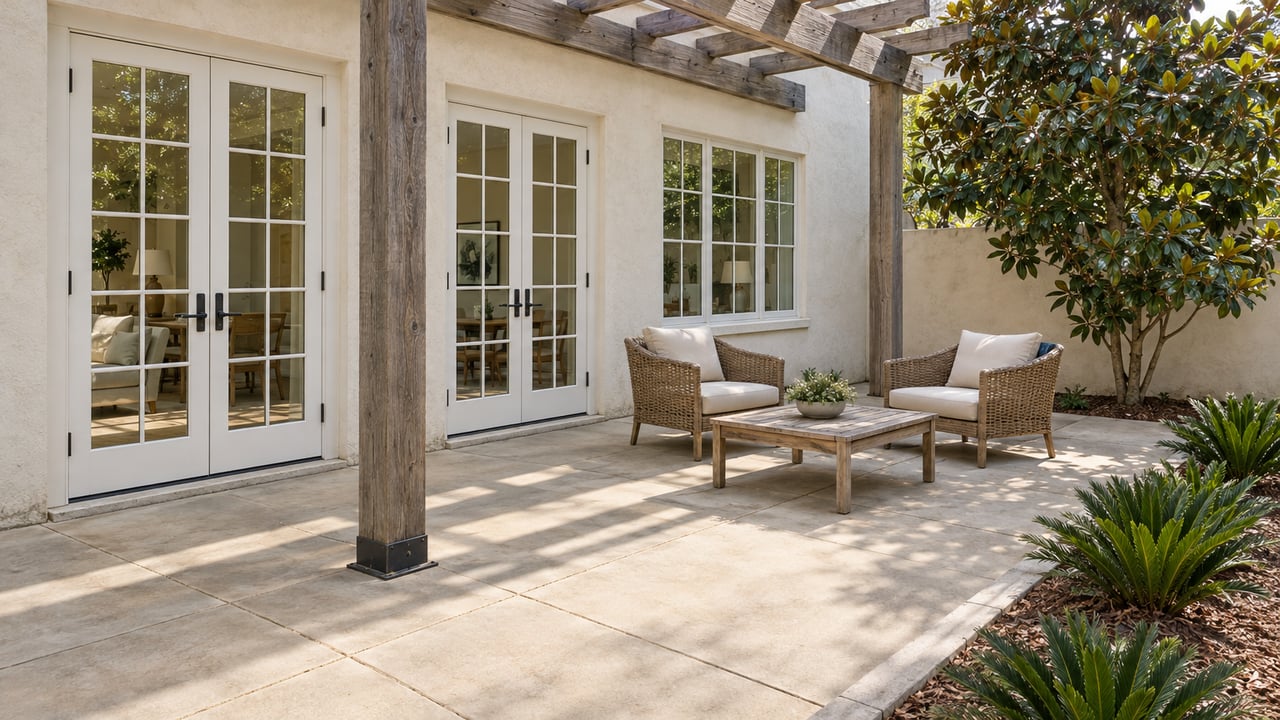
- Stage screened porches and patios with simple seating, neutral cushions, and a small table. In Millhopper, shaded outdoor rooms can feel like bonus living space.
- Capture early evening light in listing photos to showcase the ambiance.
Spotlight parks and trails
- If your home is a short walk to a trailhead, include a distance callout and a map snippet in your listing. Use photos that nod to nearby parks like Devil’s Millhopper Geological State Park or San Felasco Hammock Preserve.
Bright, calm interiors
- Paint in light neutrals, remove heavy window treatments, and pare back personal collections. Stage the living room, kitchen, and primary bedroom first. NAR highlights that well-staged homes help buyers visualize living there and can sell faster. See NAR’s staging coverage.
Moisture and pests
- In Florida, signs of moisture, mold, or insects scare buyers fast. Clean gutters, correct grading that pushes water toward the house, and address any termite history. If your property is near regulated resources or within a floodplain, consult county guidance before altering drainage or trees. Start with Alachua County’s floodplain services.
Timing, permits, and disclosures
When to list
Late spring often performs well nationally for sellers. That said, a fully prepared home listed a few weeks off-peak often outperforms a rushed listing launched during peak. Lean on hyperlocal comps and your agent’s recent experience to choose your week.
Permits and environmental rules in Alachua County
Many repairs and renovations require permits. Exterior work or anything that could affect natural resources, tree canopy, grading, or impervious surfaces may need county review. Start early with Alachua County’s permitting portal and confirm HOA covenants if applicable.
Florida seller disclosure
Florida law requires sellers to disclose known material facts that affect value and are not readily observable. This duty comes from the Florida Supreme Court’s Johnson v. Davis decision. Many sellers use standard forms to streamline disclosure, but the legal duty exists either way. Read the case summary for context: Johnson v. Davis (Fla. 1985). When in doubt, consult your agent or an attorney.
Consider a targeted pre-list inspection
If your systems are older or you suspect latent issues, a limited pre-list inspection can help you address critical items and provide documentation up front. This reduces surprise renegotiations and builds trust with buyers. Learn more from Florida Realtor resources.
Your Millhopper prep checklist
- Get a hyperlocal pricing strategy. Ask for a CMA that pulls same-subdivision or within 0.5–1 mile comps and reflects current inventory and days on market. A local market update can provide helpful context, like this Gainesville snapshot.
- Walk the house for deal-breakers. Look for electrical hazards, signs of water intrusion, structural issues, and termite evidence. If you see red flags, consider a targeted pre-list inspection. Review common inspection red flags.
- Prioritize roof, A/C, and safety fixes. These are the items most likely to jeopardize financing, insurance, or buyer confidence. For ROI context, scan Cost vs. Value.
- Max curb appeal and basic updates. Declutter, paint in light neutrals, refresh the front entry, tidy the yard, and book professional photos that showcase outdoor living and park proximity. NAR highlights staging’s value in this coverage. For landscaping, use UF/IFAS guidance.
- Assemble documentation. Gather receipts, permits, service records, termite and wind mitigation reports if available. Many Florida agents support sharing a concise pre-list packet, as noted by Realtor resources.
- Mind timing and readiness. If you can hit late spring with a polished home, great. If not, list when fully prepped rather than rushing into peak season half-finished.
Ready to sell with confidence?
A smart Millhopper prep plan focuses on what buyers and lenders care about, shows off the nature-forward lifestyle, and avoids overspending on projects the market will not reward. If you want a tailored, neighborhood-specific strategy plus hands-on coordination, connect with Anna Olcese for a focused pre-list plan that fits your timeline.
FAQs
What should I fix before listing my Millhopper home?
- Start with roof condition, A/C reliability, and any safety or code hazards. These are most likely to derail financing or cause big inspection credits. See ROI context at Cost vs. Value.
How much should I renovate vs. stage for Millhopper buyers?
- Emphasize minor, midrange updates and strong staging over major remodels. Neutral paint, entry refresh, light landscaping, and a minor kitchen update usually outperform upscale gut projects. NAR’s staging coverage supports the impact of presentation.
Do I need a new roof to sell in Alachua County?
- Not always. If the roof is sound, document its condition with recent service records or an inspection. If it is leaking or near end-of-life, repair or replace to avoid lender and insurer pushback. National ROI trends are at Cost vs. Value.
What permits might I need before exterior work?
- Many exterior changes require county review, especially grading, tree removal, or work near regulated resources. Start with Alachua County’s permitting portal and review floodplain guidance.
What are my disclosure obligations as a Florida seller?
- You must disclose known material facts that affect value and are not readily observable, per the Florida Supreme Court’s Johnson v. Davis decision. Read a summary here: Johnson v. Davis.