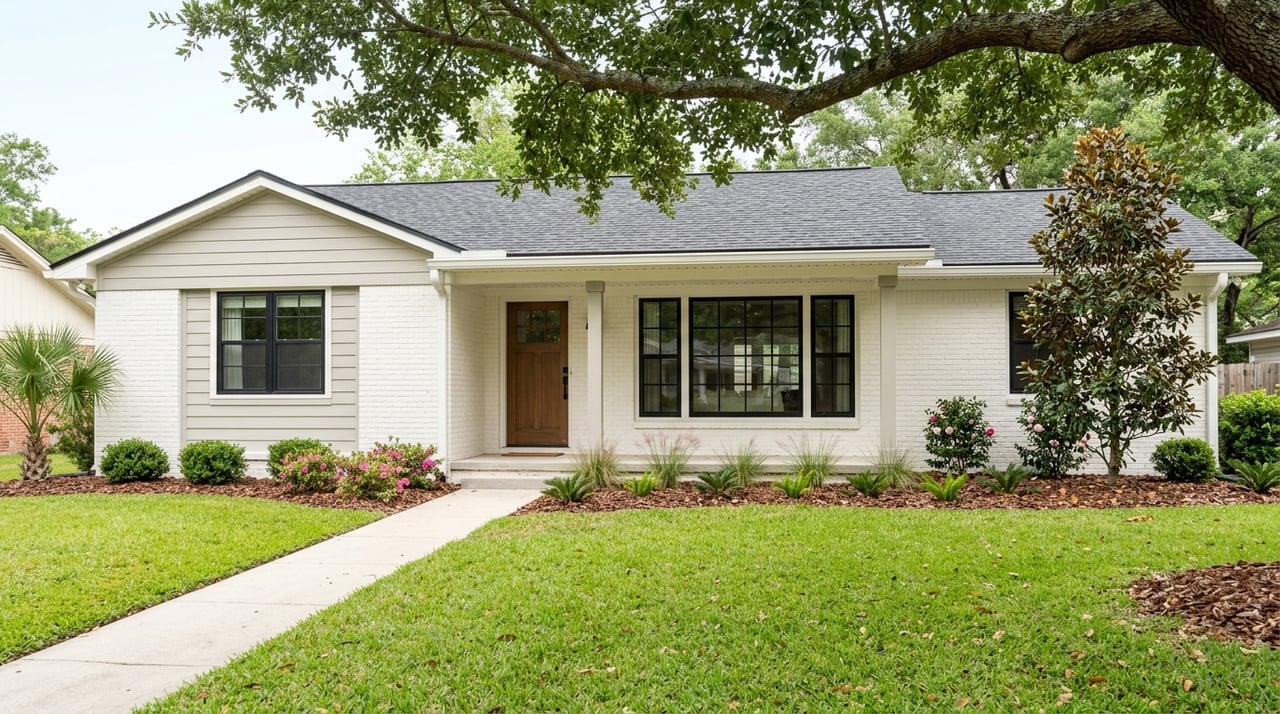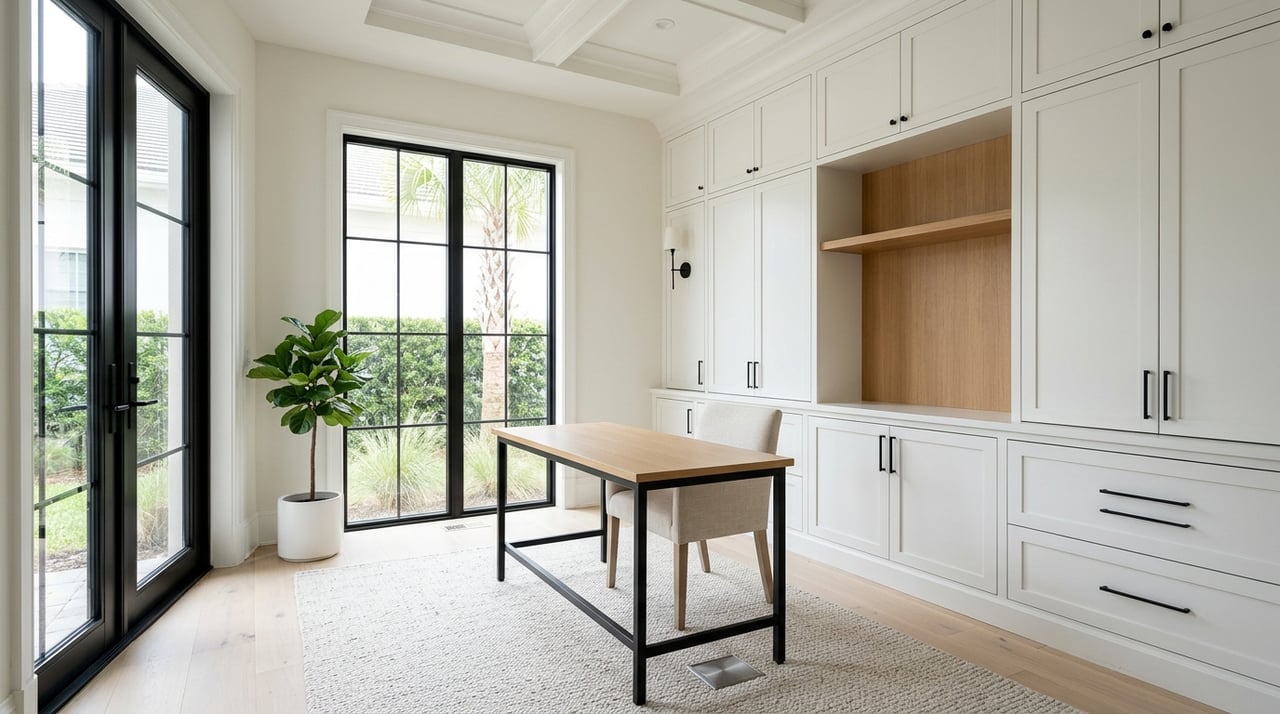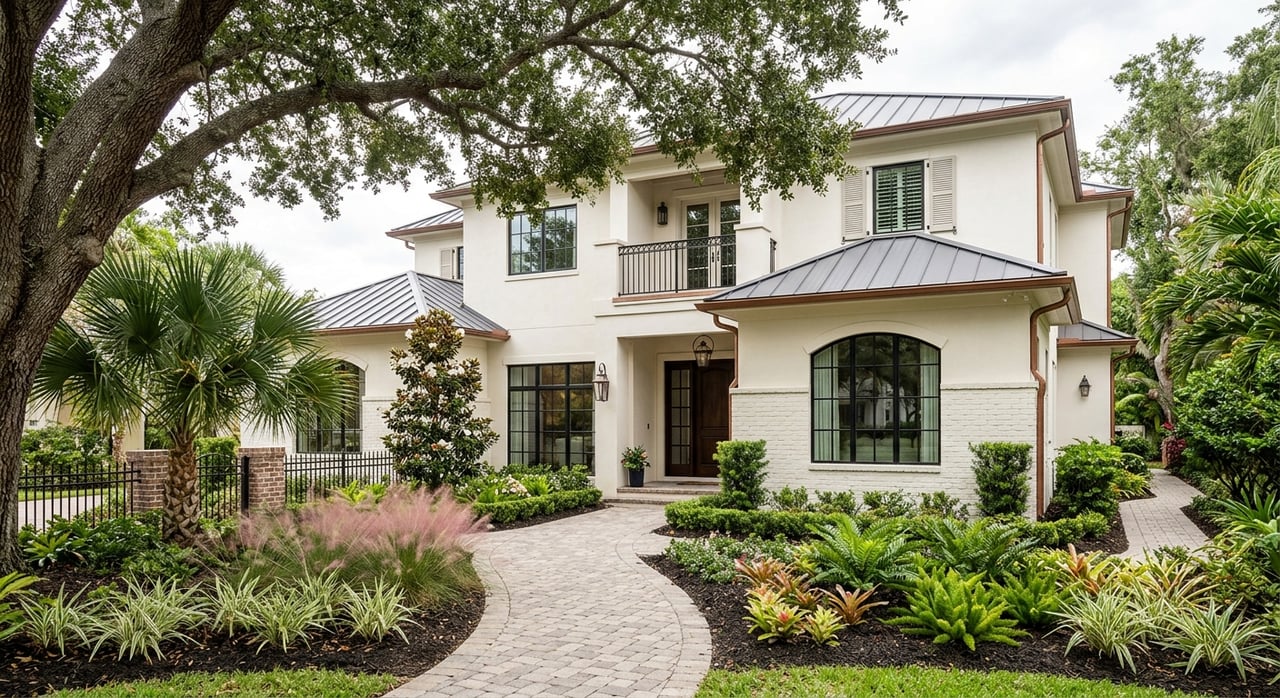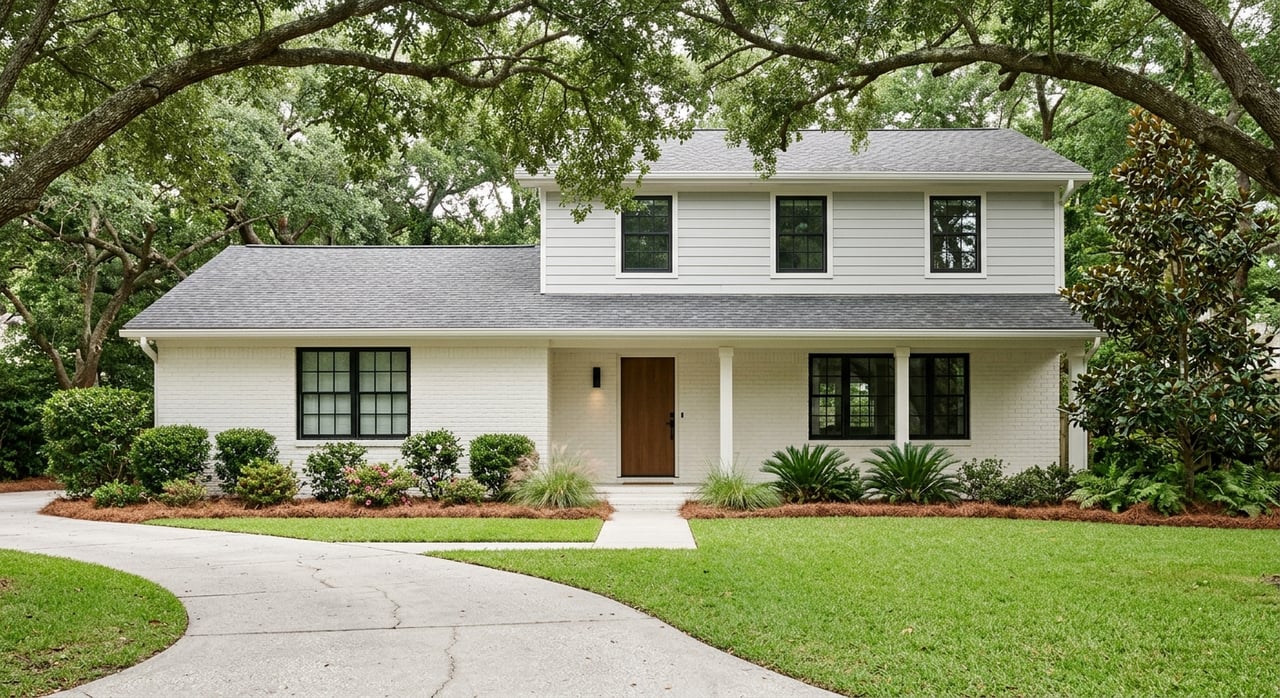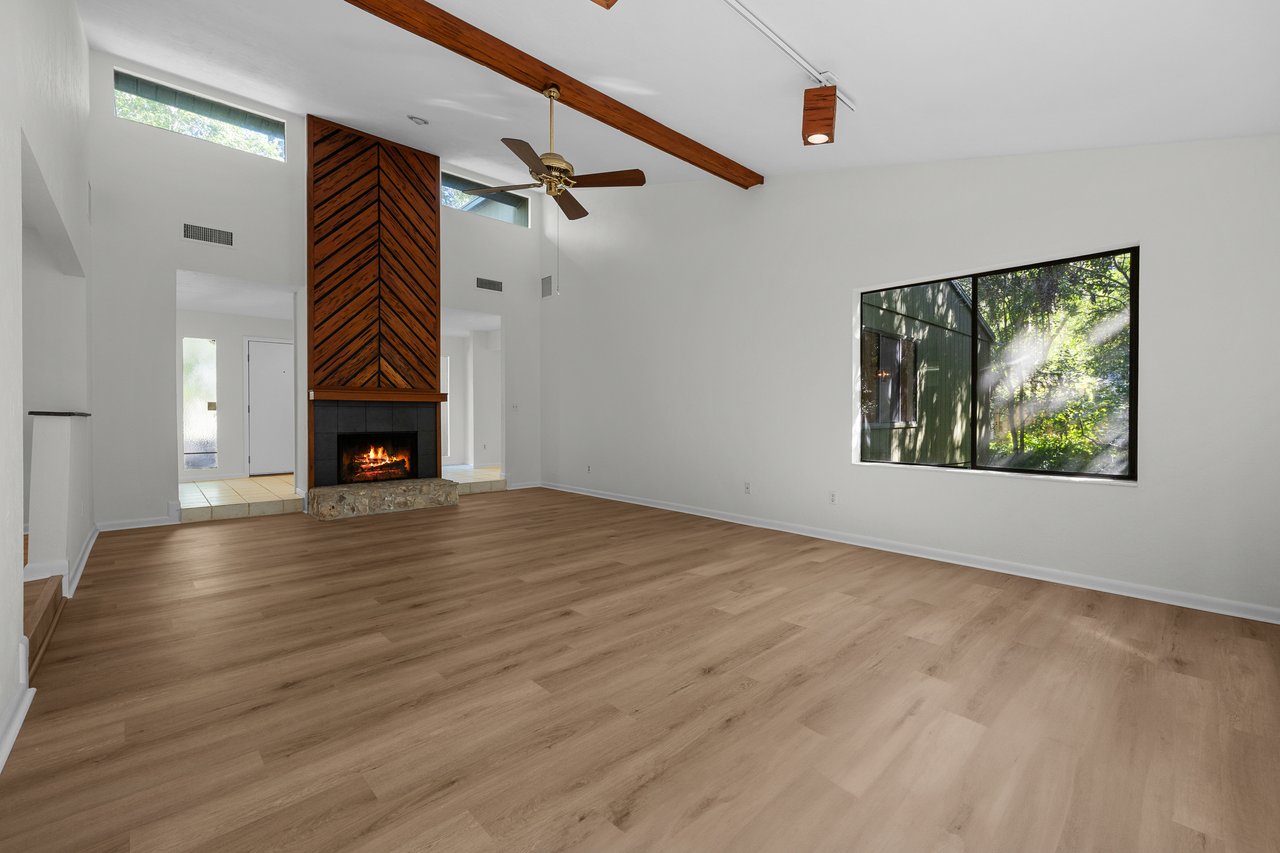
Is a fixer-upper on 34th Street the smart play, or will a move-in-ready home serve you better? If you are weighing cost, time, and peace of mind in Northwest Estates, you are not alone. In this guide, you will compare total costs, financing, inspections, permits, timelines, and the renovations that actually add value in Alachua. By the end, you will have a clear plan to choose with confidence. Let’s dive in.
How to choose on 34th Street
Start with your reality, not just the listing photos. A fixer-upper often comes with a lower purchase price but demands renovation cash, time, and project management. A move-in-ready home costs more upfront but offers immediate comfort and fewer surprises.
Ask yourself:
- What is your available cash for renovations and contingencies after closing?
- How much time do you have for planning, bids, permits, and contractor oversight?
- What level of risk are you comfortable with if hidden issues appear?
- How long do you plan to own the home, and what is your resale goal?
If you find strong resale comps for renovated homes on or near 34th Street, a targeted rehab can pay off. If returns look modest, a move-in-ready home may align better with your goals.
All-in costs to compare
Estimate your full picture before you write an offer. Add purchase price, renovation costs, carrying costs, and a contingency.
Common project ranges in Florida context include:
- Cosmetic updates: $5,000 to $25,000
- Kitchen refresh to full remodel: $8,000 to $75,000+
- Bathroom updates: $3,000 to $25,000+
- Roof replacement: $6,000 to $20,000+
- HVAC replacement: $4,000 to $12,000
- Electrical upgrades: $1,500 to $10,000
- Plumbing repairs or repipe: $1,000 to $15,000
- Structural repairs: $5,000 to $50,000+
- Termite or pest remediation: $500 to $5,000
- Mold remediation: $500 to $10,000+
- Curb appeal and landscaping: $1,000 to $15,000
Plan a 10 to 20 percent contingency for smaller projects and 20 to 30 percent or more for older homes or structural scope. Florida’s humidity and storm risks increase the importance of HVAC, moisture control, roof condition, and wind protection.
Financing your choice
Match your financing to your plan and timeline.
- Conventional mortgage plus cash: Simple if you have savings for updates.
- FHA 203(k) rehab loan: Bundles purchase and renovation. Expect stricter appraisal and inspection rules.
- Fannie Mae HomeStyle: Similar to 203(k) for conventional borrowers with broad project flexibility.
- Construction-to-permanent or rehab construction loan: Best for large or structural work. Funds release in draws.
- HELOC or cash-out refinance: Options for current homeowners with equity.
- Personal or contractor financing: Useful for small projects, often at higher rates.
Speak with a lender experienced in rehab loans early so you can structure offers and timelines with confidence.
Timeline expectations in Alachua
Give yourself enough runway to avoid stress. Cosmetic projects often take weeks to two months. Kitchen, bath, and system replacements typically run two to four months. Structural changes or additions can extend beyond four months.
Permits and inspections add time. Processing varies, so build flexibility into your schedule and confirm current timelines before you commit to move-in dates.
Inspections that matter here
Protect yourself with a thorough inspection contingency. In north-central Florida, prioritize:
- General home inspection for structure, roof, drainage, and interiors
- Termite and wood-destroying organism inspection
- Mold and moisture assessment
- HVAC and ductwork evaluation
- Roof inspection for age, leaks, and wind compliance details
- Electrical and panel capacity review
- Plumbing inspection and pipe material check
- Septic inspection or well testing if applicable
- Flood zone research and, if required, an elevation certificate
- Lead-based paint and possible asbestos testing for older homes
Early findings shape your budget, your timeline, and sometimes your decision to walk away.
Permits, insurance, and local checks
Before you finalize, verify the property’s history and any constraints:
- Confirm required permits for past and planned work. Unpermitted work can affect financing, resale, and safety.
- Check for HOA guidelines or design rules if applicable.
- Review flood zone status and whether the parcel is subject to special flood insurance requirements.
- Ask about wind mitigation features like roof straps or impact protection that may help with insurance.
- Use licensed and insured Florida contractors, and verify licenses before hiring.
If you plan additions or conversions, consider potential impact fees, utility connections, and local building code requirements.
What adds value in Northwest Estates
Focus on improvements that appeal to most buyers in this area and climate. High-impact priorities typically include:
- Modernized kitchens and bathrooms with functional layouts
- Fresh interior paint and durable flooring like tile or LVP
- Strong HVAC performance and clean, insulated ductwork
- Roof repairs or replacement when age or leaks are a concern
- Termite treatment and preventive measures
- Curb appeal, drainage, and exterior refresh
- Energy and wind mitigation upgrades that can also support insurance savings
Avoid over-improving beyond what nearby renovated homes on 34th Street support. Let local comps set your ceiling.
A simple decision plan
Use this step-by-step to compare a fixer to a move-in-ready home:
- Pull recent comps for renovated homes on or near 34th Street to set your after-repair value range.
- Order a general inspection and termite inspection as part of your offer.
- Verify flood zone, utilities, and whether the home is on municipal sewer or septic.
- Define renovation scope and get at least two written contractor bids with timelines.
- Check permit history and confirm what permits you will need for your project.
- Choose a financing path and confirm feasibility with your lender before you finalize terms.
Fixer vs move-in-ready: which fits you
Choose a fixer-upper if you have cash reserves for renovations and contingencies, flexible housing during the project, and an appetite for managing bids, permits, and timelines. The upside is potential equity if local comps support your after-repair value.
Choose move-in-ready if you value speed, predictable costs, and a smooth transition. This is ideal if you are relocating on a tight timeline, cannot manage a project from afar, or prefer to avoid renovation risk.
Common mistakes to avoid
- Skipping specialized inspections, especially termite, roof, HVAC, and moisture
- Underestimating total costs by leaving out contingency or carrying costs
- Over-improving beyond what nearby comps justify
- Ignoring permit requirements or assuming past work was permitted
- Setting unrealistic timelines that do not account for approvals and contractor availability
If you want a steady hand as you compare homes on 34th Street and across Northwest Estates, we are here to help you weigh the numbers and the nuances. For concierge guidance, virtual tours, and coordinated inspections that fit a relocation schedule, connect with Anna Olcese.
FAQs
How do I compare a fixer-upper’s total cost in Northwest Estates?
- Add purchase price, renovation budget, contingencies, and carrying costs, then weigh the total against realistic after-repair value based on recent renovated comps near 34th Street.
What inspections are most important for Alachua buyers?
- Prioritize general, termite, roof, HVAC, plumbing, and electrical inspections, plus septic or well checks if applicable and a flood zone review.
Can I finance renovations when buying on 34th Street?
- Yes, options include FHA 203(k), Fannie Mae HomeStyle, construction-to-permanent loans, or a conventional mortgage with cash for updates depending on scope.
What Florida-specific risks should I consider with a fixer-upper?
- Termite activity, mold and moisture issues, wind and hurricane exposure, flood risk, and potential unpermitted work in older homes.
Why do permits matter when buying a fixer in Alachua?
- Unpermitted work can create safety, insurance, appraisal, and resale problems, so verify permit history and plan permitted work from the start.
How much contingency should I set for renovations?
- Plan 10 to 20 percent for small projects and 20 to 30 percent or more for large or older-home projects where surprises are more likely.