Are you trying to decide if Northwest 34th Street is the right place for your first home in Gainesville? You want a central location, manageable costs, and a home that fits your life today while building equity for tomorrow. In this guide, you’ll get a clear look at what it’s like to buy near NW 34th and in Northwest Estates, including prices, commutes, HOAs, renovation budgets, and a practical due‑diligence checklist. Let’s dive in.
The case for NW 34th Street
Central, green, and convenient
NW 34th Street sits on Gainesville’s northwest side with quick connections to University Avenue, the University of Florida, downtown, and west‑side retail. You’re close to everyday needs and near natural escapes like Loblolly Woods and Hogtown Creek, which many listings cite as a major perk. If you want easy access to trails and creekside paths, explore the area around Loblolly Woods to get a feel for the greenway system and park entrances. You can preview the park’s setting through the Friends of Nature Parks page for Loblolly Woods.
Commute options that fit your week
For many early‑career professionals, the location means short, predictable trips. Typical listing notes in this area reference bikeable distances to UF and about a 5 to 15 minute drive to central campus and nearby medical or employment centers, depending on the exact address and traffic. Gainesville’s RTS also provides Park‑and‑Ride and connector service along the 34th Street corridor, making transit a practical option a few days a week. The city’s 10‑year transit plan documents Park‑N‑Ride connections along SW/NW 34th; check current routes and times before you go by reviewing the regional transit plan and then the live RTS schedule.
What the homes look like
Ages and styles along the corridor
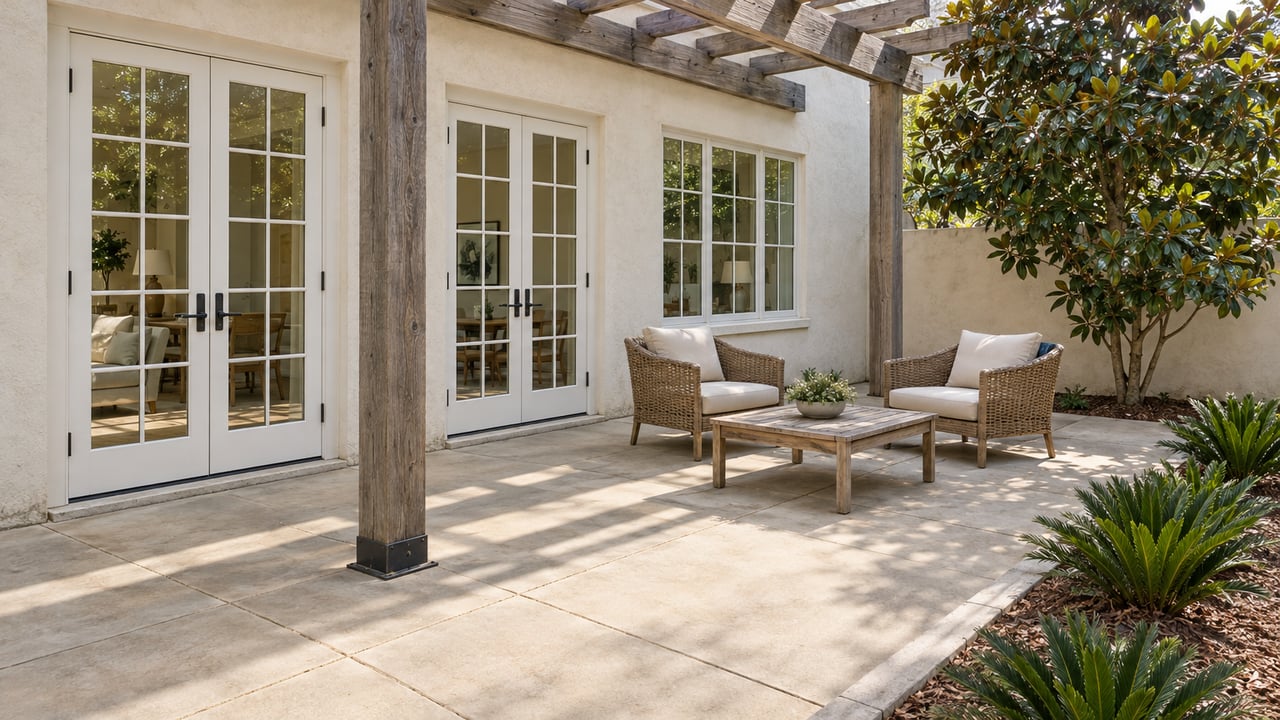
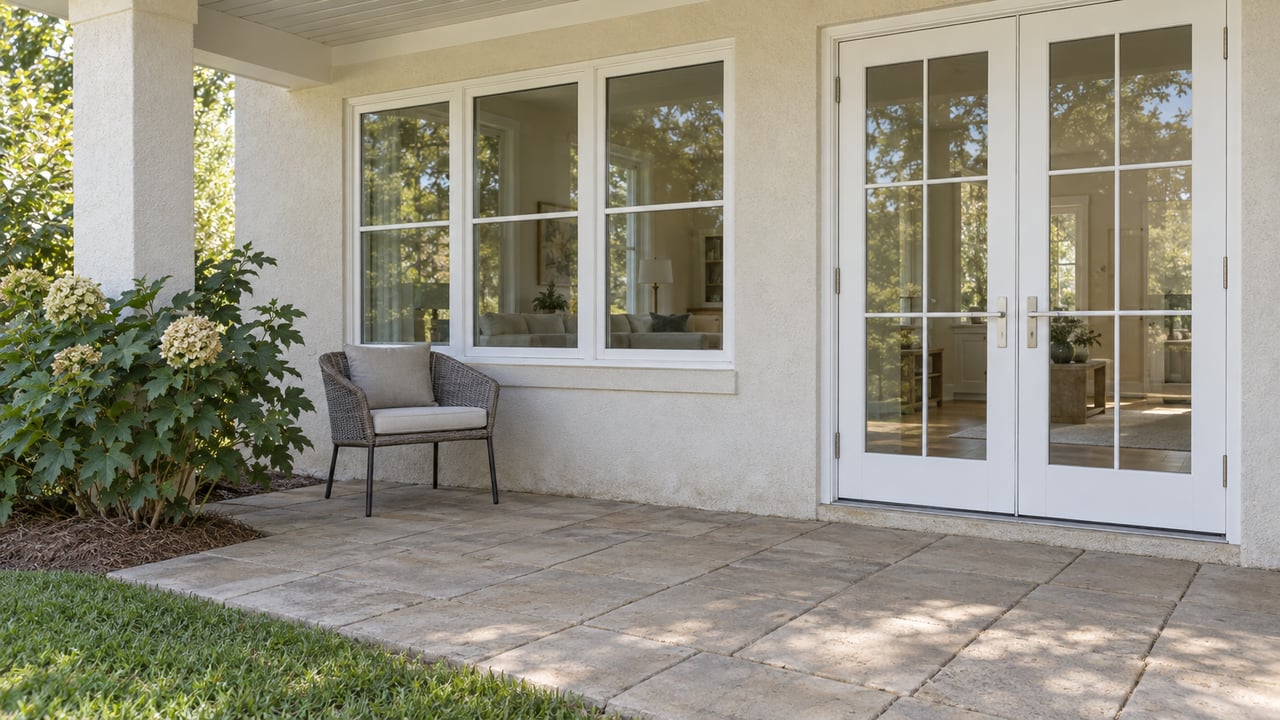
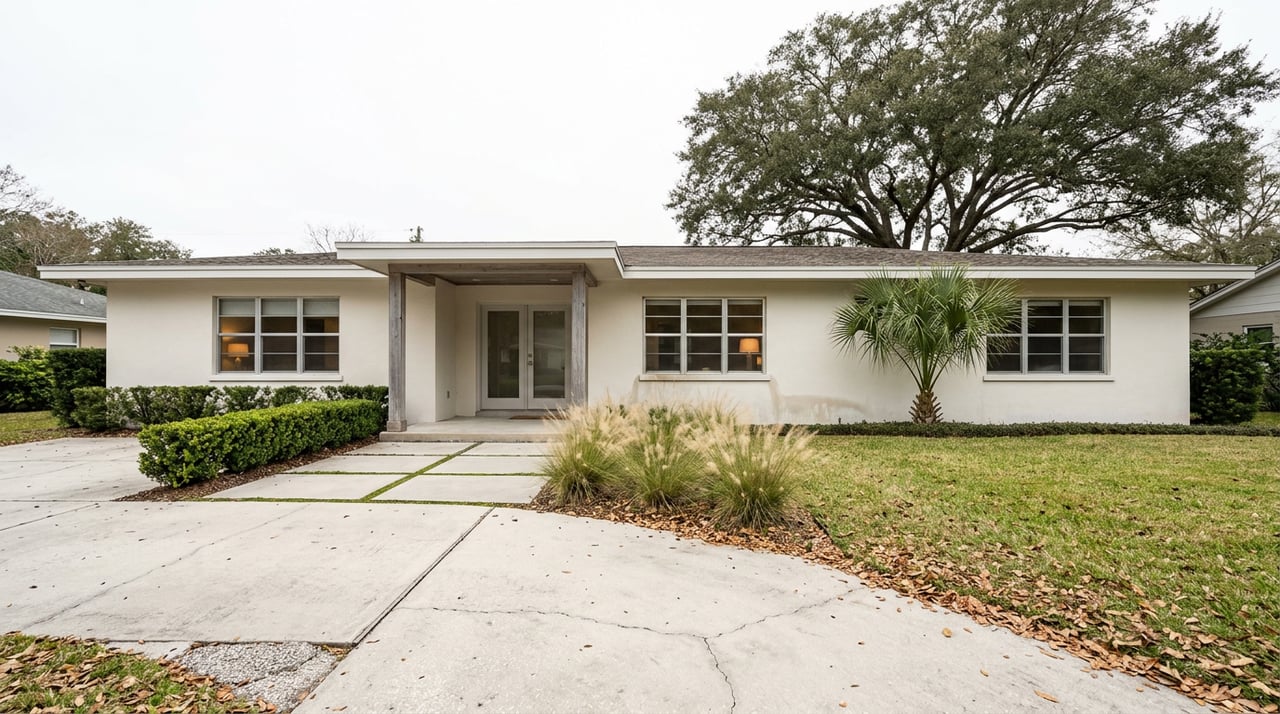
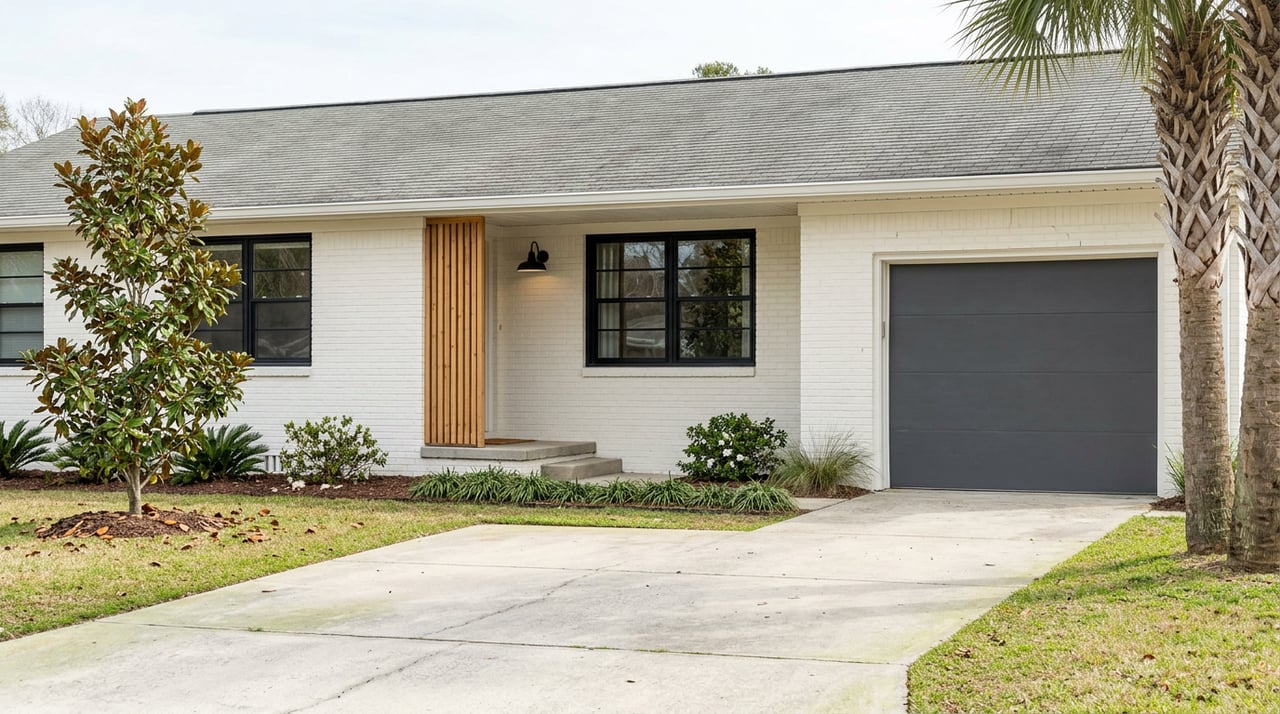
Housing along and near NW 34th is a mix. You’ll see post‑WWII through 1970s single‑family homes, 1980s subdivisions like Northwest Estates, and pockets of newer infill and condo or townhome buildings from the 2000s. That variety gives you choice: modest older homes that may need updates or move‑in‑ready renovated options that usually command higher prices.
Price ranges first‑time buyers see
As a reference point, Zillow’s home value index for ZIP 32605, which covers much of northwest Gainesville, was about $297,045 as of late January 2026. On the ground, first‑time buyers often find opportunities in the low‑to‑mid $200k to $350k range for smaller or older homes, with renovated single‑family homes and newer townhomes commonly in the $350k to $550k range. Always confirm current pricing with live MLS data for the specific block you’re targeting.
Real‑world examples nearby
- A modest older house at 2900 NW 34th Street sold around $300k, which aligns with the entry‑level to mid range for parts of the corridor. Details vary, but homes like this can trade at more approachable prices if they need light updates.
- In Northwest Estates, later 1980s construction on larger lots can push higher. A recent example on NW 17th Lane in that subdivision was marketed near $499k to $545k once updated. Many single‑family homes in Northwest Estates are advertised as “No HOA,” but confirm this parcel by parcel during your review.
These snapshots help you set expectations, but you should rely on current comparables and property‑specific condition.
Ongoing costs to plan for
Taxes, insurance, and HOAs
- Property taxes: In northwest Gainesville, many buyers see annual property taxes in the $3,000 to $7,000 range on mid‑priced homes, depending on assessed value and exemptions. Review the parcel’s history through the Alachua County Property Appraiser before you write an offer.
- Homeowners insurance: Florida premiums are higher than the national average. Gainesville is inland, so rates are often lower than coastal counties, but roof age and mitigation features matter. Get quotes early and ask how roof age, wind mitigation, and any flood requirements will affect your policy. For context on the statewide market, see this insurance industry overview.
- Flood considerations: Some parcels near Hogtown Creek sit in or near FEMA flood zones. If a home is in a Special Flood Hazard Area, lenders require flood insurance. Ask for an elevation certificate if the seller has one and verify the FEMA zone during your inspection period.
- HOA patterns: Many single‑family homes near NW 34th and within Northwest Estates are non‑HOA. By contrast, condos and townhomes usually have HOAs with monthly fees and rules that can include rental restrictions. Always request the HOA covenants, budgets, reserve studies, and recent meeting minutes during your contract review.
Renovations and realistic budgets
Common updates and cost ranges
Older homes often need near‑term updates. Budget ranges vary by size and scope, but these ballparks help you plan:
- Roof replacement: about $5,000 to $18,000 in Gainesville depending on size, pitch, and materials. Insurers heavily factor roof age, so verify permits and receipts. See typical ranges for Gainesville on Best Roofing Estimates.
- HVAC replacement: roughly $6,000 to $13,000 for a standard change‑out, with higher costs if ductwork needs replacement. Review service records and compressor age, then compare quotes with this HVAC cost estimator.
- Kitchens and baths: cosmetic refreshes can land under $5,000 to $20,000. Midrange kitchen remodels commonly run $15,000 to $45,000, per Fixr’s kitchen remodeling guide.
- Termite and pest: Annual protection plans are common in Gainesville. Inspection, treatment, and repair costs vary by extent, but it is smart to schedule a termite inspection up front. Learn more about local treatment options via Massey’s Gainesville termite page.
Smart reserves for year one
A practical approach for first‑time buyers is to set aside a short‑term reserve of $5,000 to $20,000 at closing for paint, flooring, light kitchen or bath refreshes, and mechanical tune‑ups. For big‑ticket system replacements like roofs or HVAC, plan for one‑time costs in the $7,000 to $20,000+ range. As an annual rule of thumb, many advisors recommend saving at least about 1% of the home’s value per year for ongoing maintenance, and bumping that up for older properties. See the budgeting rationale in this industry overview.
Due diligence for this area
Use this checklist to make a confident decision:
- Get a standard home inspection and ask for clear system ages in the report. Expect fees in the lower hundreds, with local variation.
- Schedule specialist checks as needed: roof inspection or certification, an HVAC service visit with a written quote, and a termite inspection.
- Verify flood risk. If the home sits near Hogtown Creek, confirm FEMA zone and ask for an elevation certificate.
- Request HOA documents if applicable: rules and covenants, current budget and reserve study, meeting minutes, and any rental rules.
- Pull the parcel’s assessment and recent tax totals from the Alachua County Property Appraiser.
- Get insurance quotes early. Ask how roof age, wind mitigation, and any flood requirements affect rate and availability. For context, review the Florida insurance market update.
- Check school zoning if that matters to you. Many NW 34th and Northwest Estates addresses align with Littlewood Elementary, Westwood Middle, and F. W. Buchholz High. Always confirm zones by address and review neutral data, such as Littlewood Elementary’s GreatSchools page.
- Review recent crime maps and speak with local law enforcement for the most current, block‑level information. Crime patterns vary by micro‑area.
- Get local contractor quotes for any expected work before you finalize your budget. Gainesville bids can vary 30 percent or more from national averages.
Bottom line: Is NW 34th a fit for first‑time buyers?
If you value a short commute to UF or downtown, easy access to parks and trails, and a range of home types, the NW 34th corridor and Northwest Estates can be an excellent match. The tradeoff is variability in home age and condition. Older homes may offer a gentler price of entry but can require near‑term updates, while renovated single‑family options and newer townhomes tend to run higher and may come with HOA fees.
To move forward with confidence, price the home using current comparables, build a clear renovation and maintenance budget, confirm HOA and flood status by parcel, and get insurance quotes early. If you want a local advocate who can preview homes, coordinate inspections, and help you compare options apples to apples, reach out to Anna Olcese for concierge‑level guidance.
FAQs
What price range should first‑time buyers expect near NW 34th in Gainesville?
- Entry opportunities often appear in the low‑to‑mid $200k to $350k range for older or smaller homes, with renovated homes and newer townhomes typically running $350k to $550k. Always confirm live MLS comparables.
How long is the commute from NW 34th to the University of Florida or downtown?
- Many addresses are bikeable to UF, and typical drives run about 5 to 15 minutes depending on the exact location and traffic. RTS Park‑and‑Ride and connector routes also serve the corridor; check current schedules.
Are there HOAs in Northwest Estates or along NW 34th?
- Many single‑family homes in Northwest Estates are noted as non‑HOA, while condos and townhomes near the corridor usually have HOAs with monthly dues and rules. Confirm HOA status and request all governing documents during your inspection period.
What renovation costs should I plan for with older homes in this area?
- Common items include a roof replacement around $5,000 to $18,000, HVAC change‑out at $6,000 to $13,000, and cosmetic kitchen or bath updates that can range from $5,000 to $20,000, with midrange kitchen remodels at $15,000 to $45,000.
How should I budget for ongoing maintenance after closing?
- Many advisors recommend saving about 1% of the home’s value per year for upkeep, increasing that amount for older properties. Set aside an additional $5,000 to $20,000 for early refreshes and system tune‑ups.
What about taxes, insurance, and flood considerations near Hogtown Creek?
- Many northwest Gainesville homes see annual property taxes between $3,000 and $7,000. Insurance premiums are higher statewide and depend on roof age and mitigation features. If a property is in a FEMA Special Flood Hazard Area, lenders require flood insurance, so verify the flood zone early.