Relocating to Gainesville’s Millhopper area and wondering how Florida homeowners insurance actually works? You are not alone. Between hurricane deductibles, wind mitigation, and flood questions, it can feel like a maze when you are trying to close on a home from out of town. In this guide, you will learn the coverage basics, how hurricane and wind deductibles work, what to consider locally in Alachua County, and a clear plan to shop smart and save time. Let’s dive in.
Florida policy basics
Most single-family homes in Florida use an HO-3 policy. This form typically covers your dwelling on an open-perils basis and your personal property for named perils unless you add upgrades. Other forms apply to condos, rentals, or landlord properties, but HO-3 is the starting point for many Millhopper buyers.
Key coverages to know
- Dwelling (Coverage A): Repairs or replacement of the home’s structure.
- Other Structures (Coverage B): Detached garages, fences, and sheds.
- Personal Property (Coverage C): Your belongings inside the home. High-value items often need to be scheduled.
- Loss of Use (Coverage D): Temporary housing and related costs if a covered loss makes your home unlivable.
- Personal Liability (Coverage E): Protection if you are responsible for someone’s injury or property damage.
- Medical Payments (Coverage F): Limited payments for minor injuries to guests.
What standard policies exclude
- Flood: Flood, including storm surge and rising water, is not covered by a standard homeowners policy. If a lender requires flood insurance based on FEMA maps, you must purchase a separate flood policy. Even outside high-risk zones, localized flooding can occur, so consider coverage if the property has elevation or drainage concerns.
- Earth movement and sinkholes: Earth movement is excluded. Some types of sinkhole coverage may be available by endorsement with specific terms.
- Wear and tear: Routine maintenance, gradual water damage, and certain mold or contaminant losses are limited or excluded.
Replacement cost vs. actual cash value
Policies may settle losses using replacement cost or actual cash value. Replacement cost pays what it takes to repair or replace without deducting for depreciation. Actual cash value subtracts depreciation, which can leave you with a gap. You can often add endorsements to secure replacement cost on both the dwelling and contents, which reduces out-of-pocket costs after a major loss.
Hurricanes and wind deductibles
Florida policies often list a separate hurricane or named-storm deductible. This deductible is different from your standard dollar deductible and usually applies only when a hurricane or named storm is declared for the area and triggers the policy’s hurricane provisions.
- Common ranges: You may see hurricane deductibles as a percentage of Coverage A, such as 2%, 5%, or 10%. The exact percentage and trigger conditions vary by insurer and policy year.
- Windstorm deductibles: Some companies list a separate windstorm deductible for non-hurricane wind events.
- Why it matters: Because the hurricane deductible is a percentage, your out-of-pocket can be substantial on higher dwelling limits. Plan your emergency savings with this in mind.
Questions to ask your insurer or agent:
- What events trigger the hurricane deductible in this policy?
- Is there a separate windstorm deductible for non-hurricane wind?
- Is my standard deductible a dollar amount, and when does it apply?
Millhopper and Alachua specifics
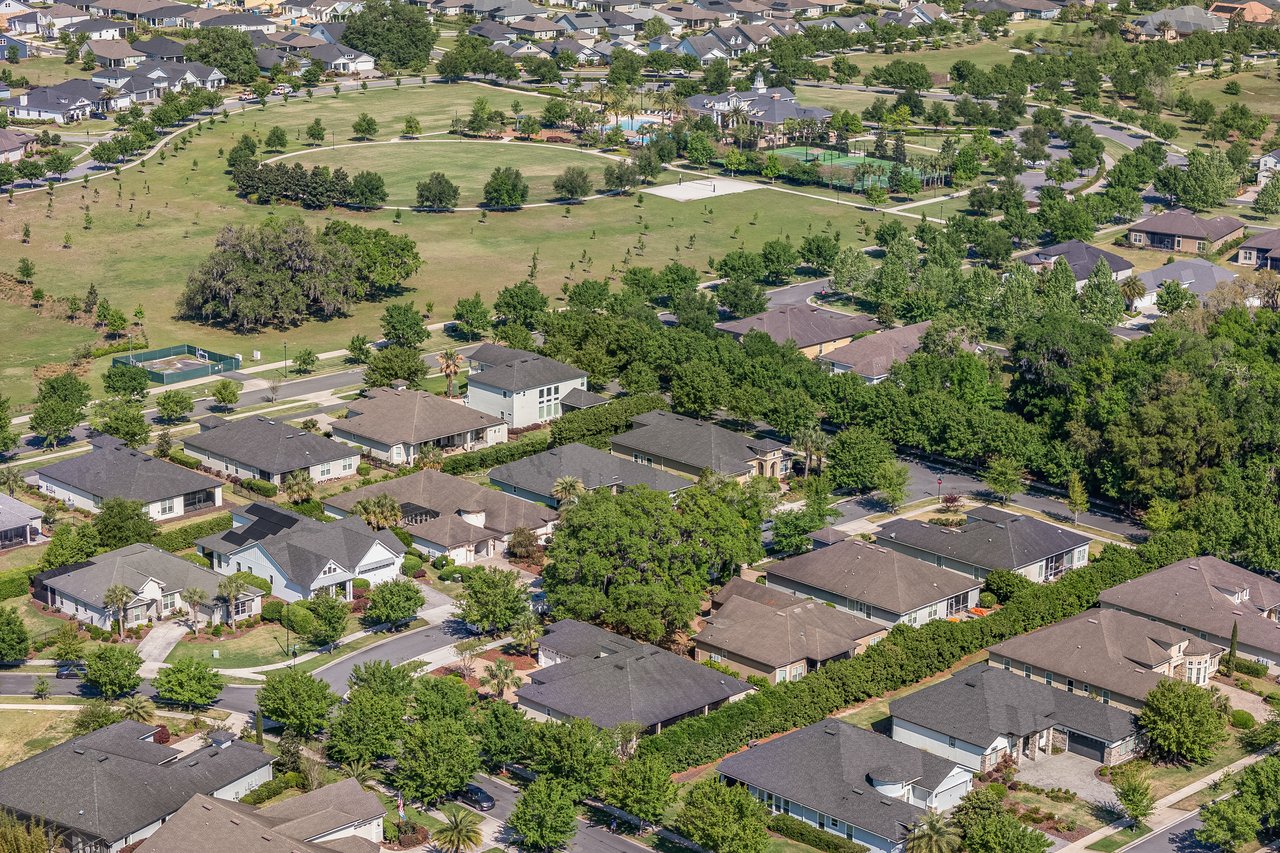
The Millhopper area sits inland, which lowers exposure to storm surge compared with coastal counties. Wind is still a key factor, and hurricane deductibles remain relevant. In this part of Alachua County, you will find a mix of older and newer homes. Property specifics like roof age, roof-to-wall connections, windows and doors, and the age of major systems influence underwriting and price.
What to verify on each property:
- Year built, roof age and type, and last replacement date.
- Presence of hurricane straps or other roof-to-wall connections.
- Type of foundation and roofing material.
- Ages of HVAC, electrical panels, and plumbing.
- Permit history for upgrades, including roof, windows, doors, and major systems.
Insurers commonly request a wind mitigation inspection for credits and a 4-point inspection on older homes. These reports document risk-reducing features and the condition of key systems.
Pricing drivers in Millhopper
Several factors drive premiums in Alachua County:
- Replacement cost: Size, finishes, and local construction costs.
- Roof age and construction: Newer roofs and strong roof-to-wall connections typically price better.
- Mitigation features: Clips, straps, impact-rated openings, and secondary water barriers can earn credits.
- Claims history: Prior claims at the property and your personal claims history matter.
- Flood and elevation: Flood zone and elevation data influence separate flood coverage needs.
- Materials: CMU or brick versus wood frame, roof material, and anchoring details.
- Market conditions: Statewide rate filings and underwriting appetite change over time.
Common coverage gaps to watch
- Flood: Not included in homeowners policies. Consider a separate flood policy if any flood risk is present.
- Sewer or sump backup: Often excluded unless you add an endorsement.
- Ordinance or law: Covers extra costs to meet current codes after a covered loss. Important for older homes.
- High-value items: Jewelry, art, and collectibles usually have sub-limits. Schedule items for full coverage.
- Mold and gradual water damage: Often limited or excluded. Read terms carefully.
Lower premiums and better insurability
You can improve pricing and your odds of approval with good documentation, smart upgrades, and the right policy structure.
Pre-purchase documents to gather
- Proof of roof age: Receipts or permits.
- Permits for recent work: Roof, HVAC, windows, doors, and electrical.
- Photos and receipts: Roof attachments, impact openings, and mitigation features.
- Wind mitigation and 4-point inspections: Especially for older homes.
- Loss history: Your own claims history or CLUE report if available.
Physical improvements and maintenance
- Roof reinforcement: Update roof-to-wall attachments and consider a secondary water barrier.
- Openings protection: Install impact-rated windows and doors or appropriate shutters.
- Garage doors: Reinforce per wind-mitigation best practices.
- Systems updates: Modernize electrical and plumbing with permits to document work.
Policy structure and shopping tactics
- Deductibles: Consider a higher standard deductible to reduce premium, but set aside separate savings for hurricane deductibles.
- Bundle: Combine home and auto with one carrier for potential discounts.
- Settlement terms: Compare replacement cost and actual cash value options for the dwelling and contents.
- Credits: Ask about all available mitigation and claims-free credits and what documentation is needed.
- Multiple quotes: Compare regional and national carriers and confirm differences in writing.
Verify insurer strength
Check financial strength ratings and consumer complaint trends through recognized rating agencies and Florida consumer resources before you bind.
Start early
Begin insurance shopping as soon as you are under contract. Some underwriting conditions, like proof of roof replacement, can take time to gather before closing. Lock coverage only after you have compared written terms and confirmed the hurricane deductible language.
Step-by-step shopping checklist
Use this checklist to keep your process organized.
Pre-quote checklist
- Year built, square footage, number of stories, roofing material, and year replaced.
- Copies of permits for recent improvements.
- Photos of roof, attic connections, and window or door protection.
- Address and parcel number for local flood and parcel lookups.
- Prior declarations page and your claims history if available.
Questions to ask each insurer
- Is there a separate hurricane or windstorm deductible? How is it calculated, and what triggers it?
- Do you offer replacement-cost coverage for both dwelling and contents? What are the sub-limits?
- Are sinkhole, ordinance and law, water backup, or identity theft endorsements available, and at what cost?
- What mitigation credits will you apply, and what documents do you require?
- How does your claims process work after a major storm, and what are typical timelines?
Post-quote verification before closing
- Review the declarations page with hurricane and windstorm deductibles highlighted.
- Confirm binding timelines and effective date relative to closing.
- If any flood risk exists, obtain flood quotes and confirm lender requirements.
- Complete required inspections early so there are no underwriting surprises.
Claim preparedness
- Create a home inventory with photos, lists, and receipts.
- Keep policy numbers and contact information in a secure, accessible place.
- Document pre-loss condition with photos and retain receipts for recent upgrades.
Citizens as a backup option
Florida’s state-created insurer of last resort, Citizens Property Insurance, exists for applicants who cannot find private-market coverage. Treat Citizens as a backup if private options are unavailable or unaffordable. Availability and eligibility rules change, so review current guidelines and compare pricing and coverage before you decide.
A simple plan for your Millhopper move
- Verify the property details: Roof age, mitigation features, and permit history.
- Compare quotes and deductibles: Pay close attention to hurricane triggers and percentage deductibles.
- Prepare for storms: Secure flood coverage if needed, build a reserve for the hurricane deductible, and keep your home inventory updated.
If you want a local, concierge-style partner to help you coordinate inspections, gather documents, and time your coverage with closing, connect with Anna Olcese for a relocation consultation. You will get clear next steps, vetted referrals, and a smooth path to the right policy for your new Millhopper home.
FAQs
Do I need flood insurance in the Millhopper area?
- Lenders require flood insurance if your property is mapped in a high-risk flood zone, and localized flooding can still occur outside those areas, so consider a separate flood policy if elevation or drainage is a concern.
What is a hurricane deductible in Florida homeowners insurance?
- It is a separate deductible that typically applies to hurricane or named-storm losses and is often a percentage of the dwelling limit, with exact percentages and triggers varying by insurer and policy year.
Are older Millhopper homes insurable?
- Many older homes are insurable, though insurers may require wind mitigation and 4-point inspections and may price higher if the roof or systems are aged or not updated to current codes.
How can I lower my premium after I buy?
- Document mitigation features, get a wind mitigation report, consider a higher standard deductible, bundle policies, and schedule permitted upgrades to improve underwriting.
Should I consider Citizens Property Insurance?
- Citizens is designed as an insurer of last resort, so compare private-market offers first and use Citizens if private coverage is unavailable or not cost-effective under current eligibility rules.