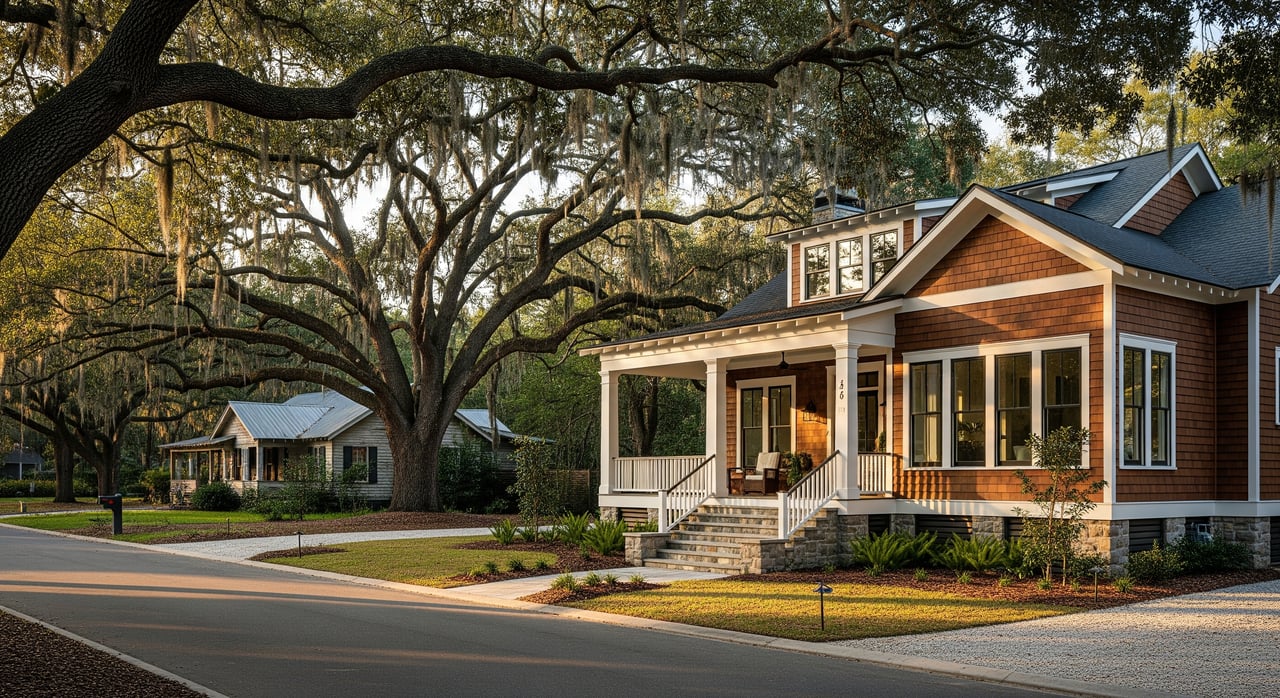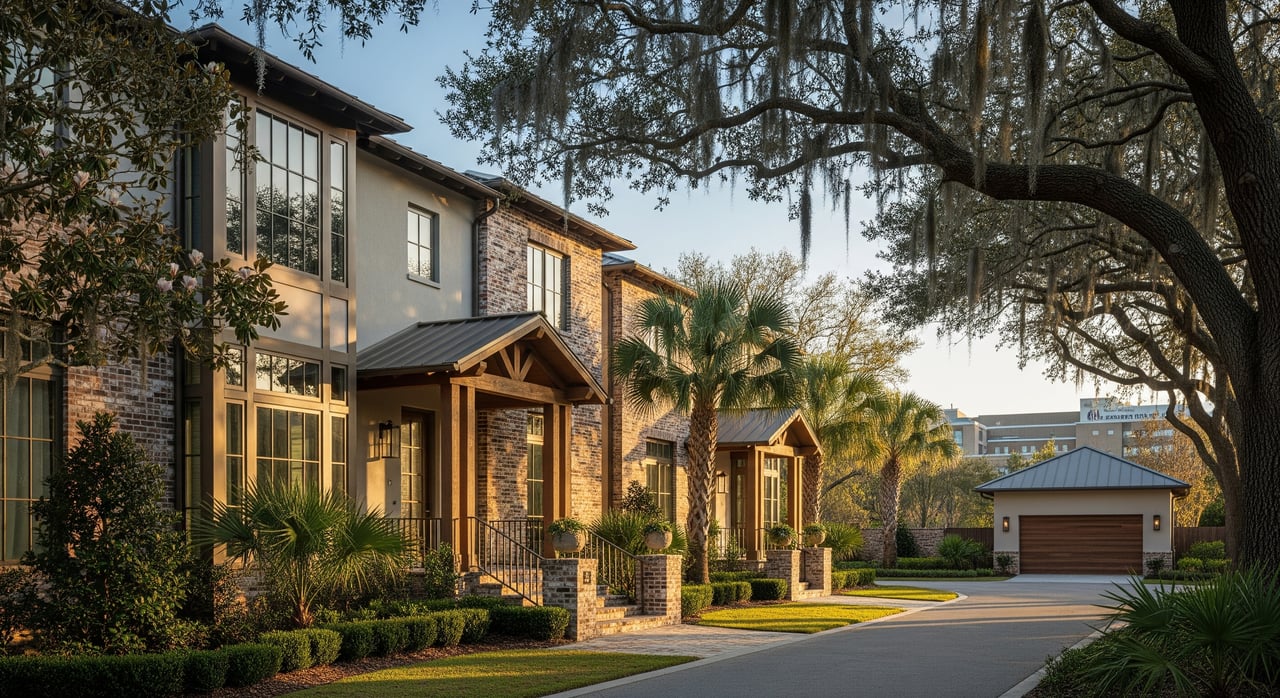
Working at or near NFRMC and trying to decide whether to rent or buy close by? You are not alone. Medical schedules, on-call shifts, and the need for quick access make this choice feel urgent. In this guide, you will get a simple framework that blends the financial math with Gainesville-specific realities so you can move with confidence. Let’s dive in.
Quick market snapshot to check now
Before you choose, take a quick pulse of the current market around NFRMC. Gainesville is a university and medical hub, which creates steady housing demand from hospital staff, residents, faculty, and students. That mix can shape pricing and availability from month to month.
Use these sources to pull fresh, hyper-local numbers near the hospital:
- For sale trends: local MLS, Redfin, Zillow, Realtor.com. Note the median sale price, days on market, months of supply, and any price differences between condos, townhomes, and single-family homes.
- Rental trends: Zillow Rent Index, RentCafe, Apartments.com, and local property managers. Track typical rent for studio, 1BR, and 2BR options, plus vacancy rates.
- Mortgage rates: check a national benchmark, such as Freddie Mac’s weekly survey, to estimate payments.
- Property taxes: find Alachua County millage and example tax bills from the Property Appraiser.
- Insurance: review Florida homeowner and flood insurance availability and costs, and use FEMA Flood Map Service Center to see if a property sits in a flood zone.
You do not need exact figures to start. A fresh snapshot of these metrics helps you compare realistic monthly costs and the pace of the market.
Start with your profile and priorities
Buying or renting is first about your life, then the math. Clarify these items up front:
- Time horizon. Under 3 years often favors renting. Three to seven years depends on affordability and appreciation. Seven years or more often supports buying.
- Job stability and mobility. Consider contract length, residency years, and the chance of relocation.
- Commute and shifts. If you take call, late nights, or early mornings, weigh walking or biking distance, parking needs, and 24/7 access.
- Liquidity. How much cash can you comfortably commit to down payment and closing, while maintaining reserves for emergencies?
Write these answers down. They will anchor the rest of your decision.
Monthly cost comparison made simple
Compare apples to apples with two parallel estimates.
- Rent monthly cost = base rent + renter’s insurance + parking or commute costs + utilities not included in rent.
- Buy monthly cost = mortgage principal and interest + property tax + homeowner’s insurance + HOA or condo dues + a maintenance reserve + private mortgage insurance if applicable + any higher utilities.
Include two offsets on the buy side that can help long-term:
- Principal paydown, which is forced savings as you reduce your loan balance.
- Potential tax benefits if you itemize mortgage interest and property taxes. Always confirm with a tax professional.
A quick example with variables
Use your current local data and plug in your specifics:
- Home price: P
- Down payment: D
- Loan amount: L = P − D
- Interest rate and term: r and t
- Mortgage payment (principal and interest): M
- Property tax: T per year, or T/12 per month
- Homeowner’s insurance: H per year, or H/12 per month
- HOA or condo dues: A per month
- Maintenance reserve: estimate 1 to 2 percent of P annually, or R/12 per month
- Private mortgage insurance (if down payment under typical thresholds): I per month
Total owning cost per month ≈ M + T/12 + H/12 + A + R/12 + I.
Then calculate the cash flow gap: Owning cost − Renting cost. If owning costs $300 more each month than renting, you are paying $3,600 more per year in cash flow. Compare this to the benefits of buying: principal paid down plus any conservative appreciation, minus one-time transaction costs to buy and eventually sell. This frames your break-even time horizon.
Run three scenarios with low, medium, and higher appreciation. Gainesville’s mix of medical and university employment has supported housing demand over time, but markets move. Keep assumptions conservative.
Map your commute and trade-offs
Near hospitals, every block can feel different. Use a drive-time and walk-time map around NFRMC to see what a 5, 10, and 15 minute commute looks like during your actual shift times.
Focus on these trade-offs:
- Noise and activity. Ambulance routes and 24/7 shifts mean steady movement. Visit at night and early morning.
- Parking. Hospital parking can be limited or require permits. Factor permit fees, shuttle time, or off-site parking.
- Housing age and maintenance. Many central Gainesville homes are older. Budget for systems and potential upgrades.
- Shared-housing pressure. The student and resident mix may increase demand for smaller units and roommate setups.
- School zones. If this matters to you, review official attendance boundaries for a neutral, fact-based check.
Create a short list of blocks or complexes that align with your commute and lifestyle, then price those exact areas.
Regulatory and risk checks near NFRMC
Build these checks into your decision to avoid surprises:
- Flood zones and drainage. Use FEMA flood maps and local GIS to confirm if the property requires flood insurance or has localized drainage considerations.
- Property taxes and exemptions. Florida’s homestead exemption can reduce your annual tax bill for a primary residence. After closing and establishing primary residency, apply with the Alachua County Property Appraiser by the published deadline.
- Insurance. Florida premiums can be volatile. Ask a local insurance professional for a quote on the specific property type and year built. Older homes may need mitigation upgrades.
- HOA or condo rules. Review documents for leasing rules, pet policies, parking assignments, and special assessments.
- Short-term rentals. Check City of Gainesville and Alachua County codes for any permits or limits on short-term rentals, then confirm HOA or condo restrictions.
- Hospital parking and staff policies. If you plan to drive, contact hospital parking services or HR for current permit practices and shuttle options.
These items shape both monthly costs and your day-to-day routine.
Buy-to-rent near the hospital
If you are considering buying now and renting later, treat it like an investment decision.
- Tenant demand. Hospitals and universities create steady renter pools, including residents, traveling clinicians, visiting faculty, and administrative staff.
- Cap rate. Estimate annual net operating income after vacancy, management, HOA, insurance, taxes, and maintenance. Divide by the purchase price to find a cap rate. Compare to your risk-adjusted alternatives.
- Vacancy and turnover. Medical schedules and rotations can shorten average tenancy. Budget for turns and keep a maintenance reserve.
- Management. If you will be on call or busy, consider professional management and factor that fee into your numbers.
- Legal and HOA rules. Confirm long-term leasing is allowed, and clarify any minimum lease periods.
Run a conservative pro forma. Aim for a margin that still works if rents pause or expenses rise.
A 7-day action plan to decide
Move from research to decision with a clear, one-week workflow:
- Day 1: Define your time horizon, commute needs, and cash position. List must-haves and nice-to-haves.
- Day 2: Pull active listings and recent rents within 10 to 15 minutes of NFRMC for your preferred property type.
- Day 3: Get a rate quote and payment estimate from a lender for your price range and down payment. Ask about monthly total, not just principal and interest.
- Day 4: Request two insurance quotes for representative properties, and note any wind mitigation or flood needs.
- Day 5: Walk or drive the area at your typical shift times. Test parking, lighting, and access.
- Day 6: Compare rent vs buy monthly costs and estimate your break-even time horizon. Run low, medium, and higher appreciation cases.
- Day 7: Decide if your horizon and cash flow support buying now. If yes, line up pre-approval, viewing plans, and a neighborhood shortlist. If no, pursue the best rental fit and revisit buying in six to twelve months.
Rules of thumb to keep you grounded
- Under 3 years near NFRMC. Renting usually preserves flexibility and limits transaction costs.
- Three to seven years. Let the monthly cash flow gap and your confidence in appreciation guide you. If the gap is small and you want stability, buying can work.
- Seven years or longer. Owning often makes sense if the home fits your needs and budget, and you have reserves for maintenance.
Revisit your plan if your role changes or if the market shifts.
Local notes for Gainesville buyers and renters
- Employment base. Gainesville’s medical and university systems create a stable base of buyers and renters, including staff, residents, and visiting faculty.
- Housing stock. Central areas near the hospital include many older homes and mid-market condos. Check year built, roof age, and systems status.
- New development. Apartment and mixed-use additions can influence both rent levels and competition. Keep an eye on planning and permits.
Your goal is not to time the market perfectly. It is to choose the housing path that fits your timeline, cash flow, and day-to-day life.
If you want a hands-on partner for this decision, you do not have to do it alone. From virtual tours and surrogate property visits to neighborhood vetting and pre-occupancy coordination, you can get concierge support tailored to medical schedules and relocations.
Ready to compare options and map your next steps near NFRMC? Connect with Anna Olcese for a calm, data-aware plan that fits your timeline and shift life.
FAQs
How long should I plan to stay before buying near NFRMC?
- Use the 3 to 7 year rule of thumb as a starting point, then run a break-even that compares your monthly cost gap to principal paydown and conservative appreciation to see where you land.
Is it cheaper to rent or buy near NFRMC right now?
- It depends on current mortgage rates, home prices, local rents, taxes, and insurance; build the monthly rent vs buy comparison listed above and plug in live numbers from today’s Gainesville market.
Which neighborhoods offer the fastest access to NFRMC?
- Map 5, 10, and 15 minute drive or walk times during your actual shift windows, then test parking, traffic, and noise in person to see which blocks and buildings best fit your routine.
Can I rent out a home I buy near the hospital?
- Many owners do, but confirm City and County rental rules, any short-term rental limits, and your HOA or condo bylaws before assuming future rental income.
What extra costs should hospital employees consider for commuting or parking?
- Some hospitals have staff parking permits or shuttle systems; contact hospital parking services or HR for current policies and factor any fees and shuttle time into your monthly costs.
Could hospital expansion affect nearby home values?
- Expansion can boost housing demand while also increasing traffic and activity; follow local planning updates and evaluate how those changes affect your specific block or building.